Nazca Lines
The Nazca Lines
Peru’s Enigmatic Desert Geoglyphs
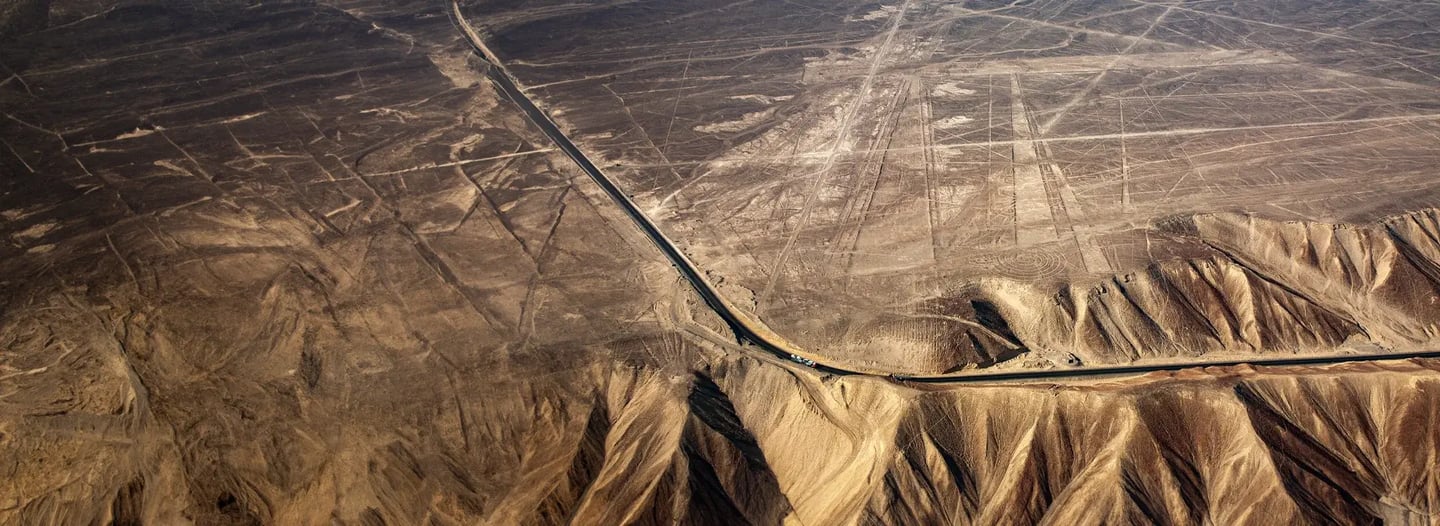
Hidden in the vast desert plains of southern Peru lies one of the world’s greatest archaeological mysteries: the Nazca Lines. Stretching across nearly 80 kilometers of arid terrain, these giant geoglyphs shaped like hummingbirds, monkeys, spiders, and geometric patterns have baffled scientists and inspired awe for centuries. Declared a UNESCO World Heritage Site in 1994, the Nazca Lines are a must-see attraction for travelers seeking to blend wonder, history, and mystery.

Explore Vacation Options

Nazca Lines
What Are the Nazca Lines?
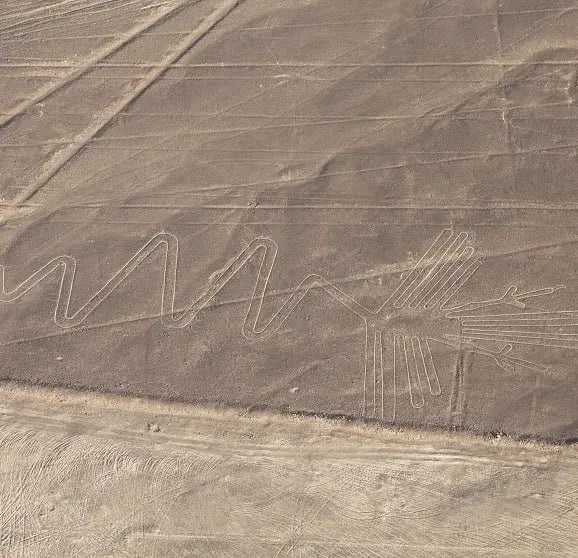
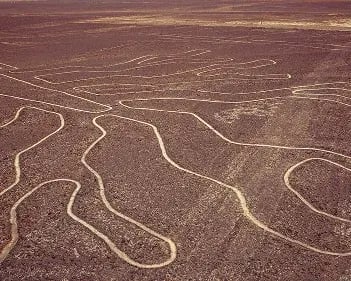
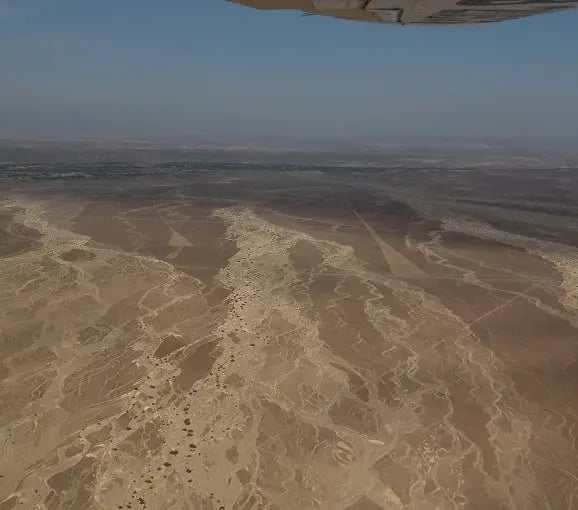
The Nazca Lines are a series of massive geoglyphs etched into the desert floor of the Nazca Plateau. Created by the Nazca culture between 500 BCE and 500 CE, these lines were made by removing the reddish top layer of pebbles to reveal lighter soil beneath. The result: images so vast they can only be fully appreciated from the air.
Notable Figures Include:
- A hummingbird over 93 meters long.
- A spider with legs extending nearly 50 meters
- A monkey with a spiraled tail
- Several trapezoids and straight lines stretching for kilometers
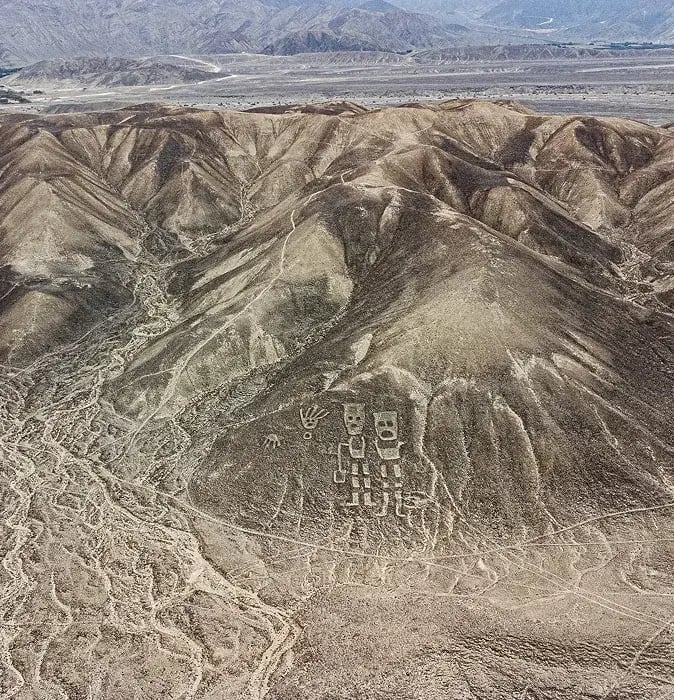
- A “hands” glyph and the famous “astronaut” figure on a hillside
While their exact purpose remains debated, theories include astronomical calendars, religious symbolism, irrigation markers, and even extraterrestrial communication.
Nazca Viewing
How to See the Nazca Lines
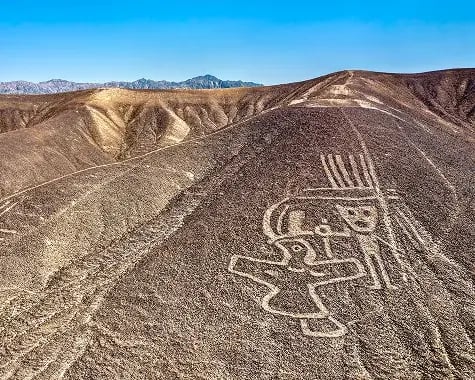
The best way to view the Nazca Lines is from the air. Here are your main options:
Scenic Flights
- Depart from the Nazca airport or from Pisco and Ica (closer to Lima)
- Flights last 30–90 minutes, depending on departure point
- Each passenger gets a window seat in small aircraft (6–12 people)
Tip: Morning flights offer the best visibility and calmer air.
Viewpoints (Miradores)
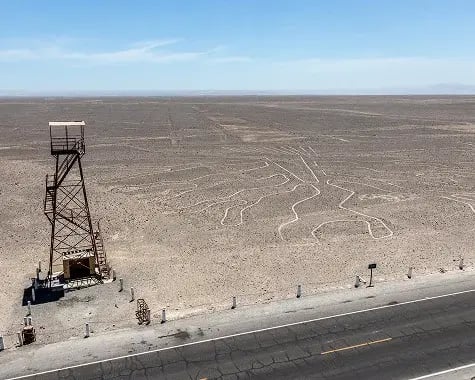
If flying isn’t an option, visit the Nazca viewing tower (Mirador de Las Líneas) along the Pan-American Highway. You’ll see 2–3 figures, but the scope is limited compared to aerial views.
Desert Coordinates
Where Are the Nazca Lines Located?
The lines are found near the town of Nazca, in Peru’s southern coastal desert.
- From Lima :
7-hour drive or 1-hour flight to Pisco, then drive to Nazca - From Arequipa or Cusco :
Requires overnight bus or private transport - Nearby attractions :
Chauchilla Cemetery, Cantalloc Aqueducts, Cahuachi ruins
Every Trip With Us Creates A Positive Impact
Join us on a journey where every trip you take contributes to a positive change, supporting communities and preserving Peru’s wonders.
Coastal Tips
Travel Tips for Visiting the Coast of Peru
Help preserve Peru’s beautiful coastline with these eco conscious travel tips:
Altitude
Nazca is at low elevation (588m), so no altitude sickness
Health
Flights involve tight turns consider motion sickness tablets
Booking
Reserve flights in advance, especially during Peru’s high season (June–August)
Combine It
Plan with visits to Paracas, Ica, and Huacachina (desert oasis)
Sustainable travel ensures Peru’s beaches remain beautiful for generations to come.


Above Nazca
What It's Like to Fly Over the Nazca Lines: A Personal Experience
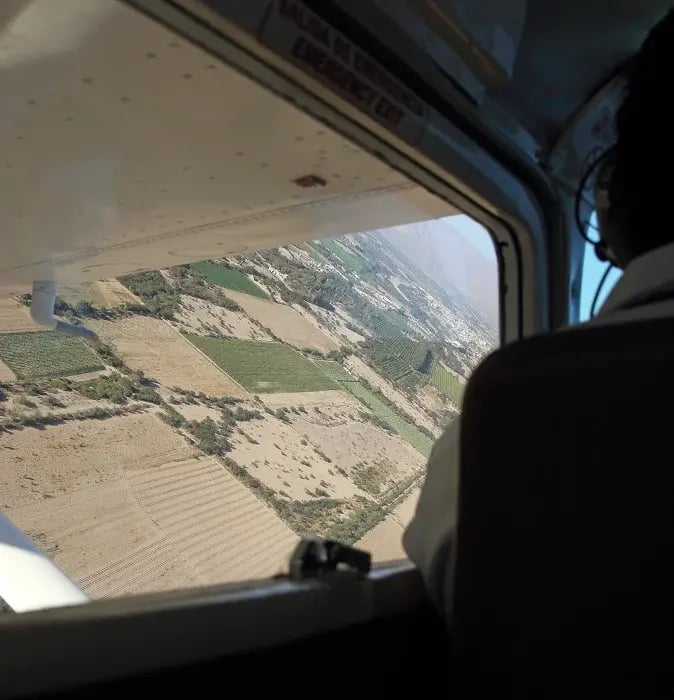
Imagine climbing into a 10-seat propeller plane just after sunrise. The desert is still cool, the sky a soft gold. As the plane ascends, patterns emerge below first a set of zigzag lines, then a massive condor stretching across the earth.
The pilot banks hard right, then left, circling low so everyone can get a perfect view. You spot the monkey with its spiraling tail, the tree, the hands. The clarity is surreal how could ancient people have created something so precise without flight?
Your headset crackles with calm narration as the astronaut glyph comes into view. Your fellow travelers gasp and snap photos, and for a moment, everyone forgets the desert heat or tight quarters. It’s just you, the sky, and the mystery etched into the earth.
“Flying over the Nazca Lines felt like looking at messages from another world silent, ancient, but unmistakably powerful.”
— Traveler from Australia
Beach Activities
Theories, Myths, and Mysteries of the Nazca Lines
The Nazca Lines aren’t just archaeological wonders they’re at the heart of global speculation, spiritual theories, and even alien conspiracies. Here’s a look at some of the most popular (and controversial) ideas behind their creation:
Astronomical Calendar
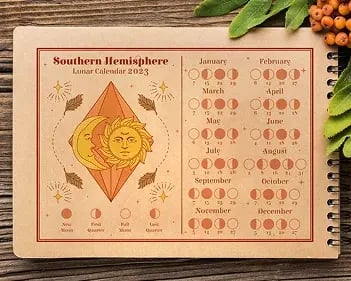
Renowned mathematician Maria Reiche believed the lines aligned with constellations and solstices, acting as a massive celestial calendar used for agriculture.
Ritual Pathways for the Gods
Other scholars propose the lines were ritual walkways, intended for ceremonial processions to invoke rain or appease deities.
Water Worship Symbols
In the desert, water was life. Some researchers claim the geoglyphs were symbolic prayers or maps to underground aquifers, essential for survival.
Alien Landing Strips?
Made popular by Erich von Däniken in Chariots of the Gods, the theory that the lines were alien runways is scientifically debunked but still a favorite among fringe theorists.
Regardless of their origins, the Nazca Lines spark the imagination like few places on Earth.
Desert Coordinates
Best Time to Visit
The Nazca region is dry year round, but the best months for flights and visibility are:
- May to October:
Clear skies, low wind perfect for flying - November to April:
Hotter and more humid, but still flyable most days
Avoid rainy season for best photographic conditions
Beach Activities
Nearby Attractions Worth Exploring
The Nazca Lines aren’t just archaeological wonders they’re at the heart of global speculation, spiritual theories, and even alien conspiracies. Here’s a look at some of the most popular (and controversial) ideas behind their creation:
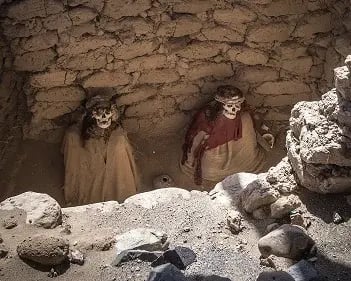
Chauchilla Cemetery
A pre-Inca burial site with preserved mummies in open tombs
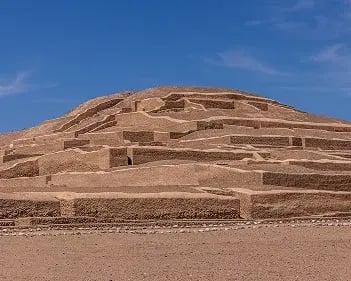
Cahuachi
A massive adobe ceremonial center used by the Nazca people
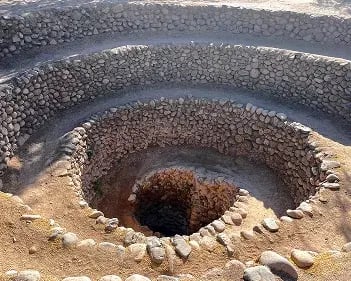
Cantalloc Aqueducts
Ingenious ancient water systems still functioning today

Huacachina
Sandboarding and dune buggy adventures in a desert oasis just 3 hours away
Contact Us
Contact Information
Find Our Contact Details for Quick Assistance and Personalized Travel Support.
Location
Lima, Peru
Call Us
Get In Touch
* Tell Us About Your Travel Plans & How We Can Help!
Frequently Asked Questions
Who made the Nazca Lines and why?
They were created by the Nazca culture between 500 BCE and 500 CE. Their exact purpose is still debated—possibilities include astronomy, ritual paths, or water markers.
How many Nazca Lines are there?
Over 300 figures and thousands of lines, including animals, plants, geometric shapes, and straight lines that run for miles.
Can you see the Nazca Lines without flying?
Yes. The Mirador tower and hillside viewpoints show a few figures, but flights provide the full experience.
Is it safe to fly over the Nazca Lines?
Yes, licensed tour operators prioritize safety. Flights are short and pilots are trained for maneuvering around the lines.
What is the best airport to fly from?
You can fly from Nazca, Pisco, or Ica. Pisco and Ica are closer to Lima and offer more accessible round-trip flights.
Are there eco-concerns about flying over the lines?
Yes. Authorities regulate flight paths to minimize impact. Responsible tourism helps protect this fragile heritage site.
How long should I plan for a visit?
1–2 days is enough. Combine your flight with a guided tour of nearby archaeological sites.