Moneda del Perú
Peru currency: the Peruvian sol
Your Ultimate Guide to Moneda del Perú (Peruvian Sol – PEN
Worry-free travel starts when you understand the peru currency. This guide will help you confidently manage your money in Peru and enjoy your trip without surprises! (Plan your perfect Peru trip with our handpicked tours and accommodations)

Explore Vacation Options
Currency Overview
Overview of Peru’s Currency
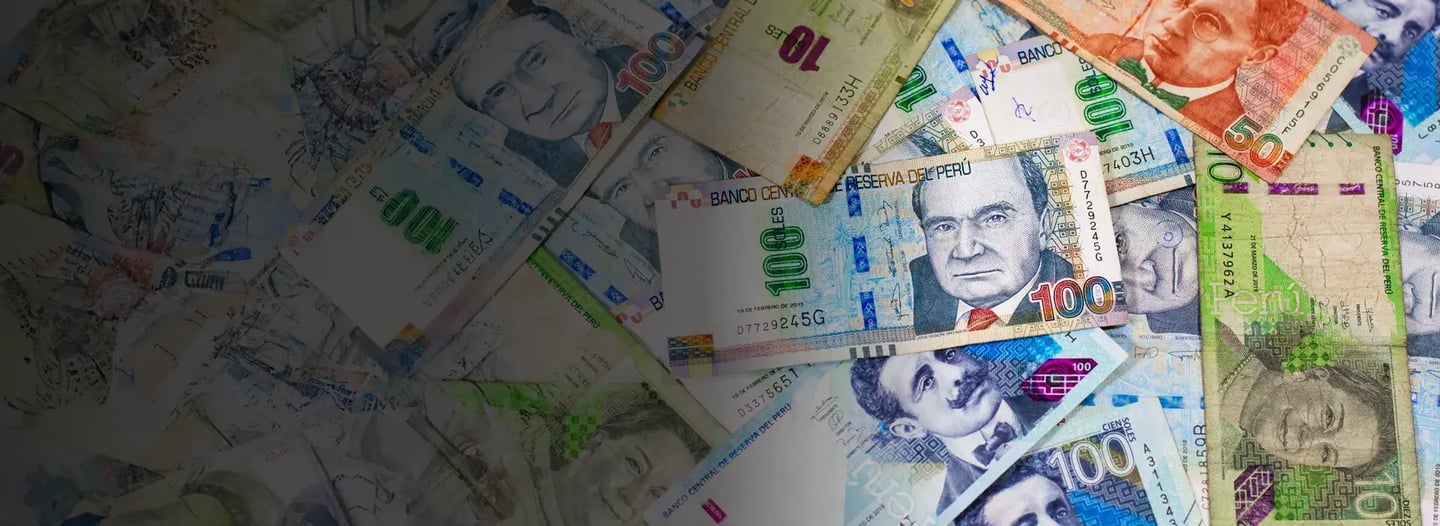
The official currency in Peru is the Sol peruano (symbol: S/, currency code: PEN). It has been Peru’s stable money since 1991, replacing the former “inti” due to inflation issues. The name “sol” comes from the historic sol de oro, Peru’s gold coin during colonial times.
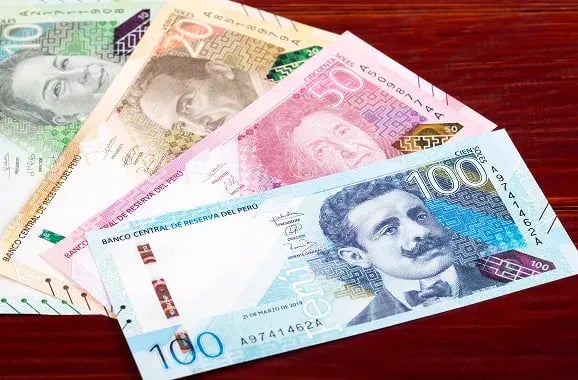
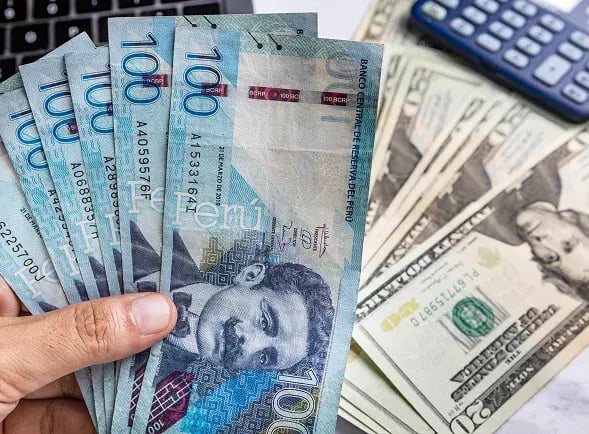
The sol is subdivided into 100 céntimos (cents), making transactions precise and accessible. Banknotes come in denominations of 10, 20, 50, 100, and 200 soles, each featuring important Peruvian historical figures and landmarks like Túpac Amaru II and iconic landscapes. Coins are available in 5, 10, 20, and 50 céntimos, plus 1, 2, and 5 soles.
For travelers new to money in Peru for tourists, the colorful notes and coins are easy to recognize and use.



Fun Facts
Exchange Rate Guide
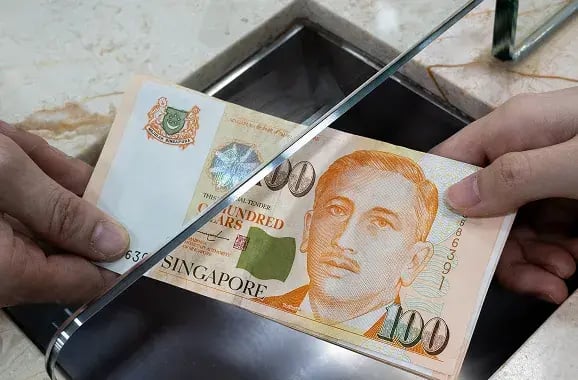
Knowing the peruvian sol exchange rate is essential for budgeting and exchanging your money wisely. The exchange rate defines how much sol you get per unit of your foreign currency, such as USD, EUR, or CAD.
Rates fluctuate based on global financial markets but tend to hover around 3.5 to 4 soles per US dollar. For the latest rates, use trusted online tools or bank websites before any transaction.
Tips for Getting the Best Rate
- Exchange money at banks or official money changers for fair rates.
- Avoid airport kiosks and street vendors that often offer poor rates or scam travelers.
- Consider withdrawing soles directly from ATMs, but check your home bank’s fees first.
- Use small USD bills (e.g., $1 to $20) if exchanging cash in Peru, as large bills are often refused.
Currency Exchange Safety Tips
- Always count notes carefully before leaving the counter, and be wary of overly generous deals.
- Familiarize yourself with security features on banknotes to detect counterfeits.
- Only exchange money at licensed institutions or ATMs marked by major banks.
Llama Trekking Peru
Traveler Tips
- Carry smaller denominations to make paying easier and avoid issues receiving change.
- Inspect your notes carefully to avoid counterfeit money; older or suspicious bills are often declined.
- For budget travelers, shop at local markets and use public transportation where cash is preferred, allowing you to save money.
- Split your cash in different pockets or secure bags to avoid total loss in case of theft.
Ready to experience Peru with confidence?
Browse our exclusive tours, select from comfortable hotels, and choose comprehensive trip packages crafted just for you
Start planning your unforgettable Peru adventure now
Currency Exchange
Where to Exchange Money in Peru
You have several options for currency exchange throughout Peru:
Banks
Banks generally provide the safest and most reliable currency exchange services, with transparent rates and receipts. Major banks in Lima, Cusco, and other large cities cater to tourists.
Money Changers (Casas de Cambio)
Licensed money exchange offices can offer competitive rates, especially in popular tourist destinations. Confirm their legitimacy with official badges or reviews from other travelers.
ATMs
ATMs allow you to withdraw local currency quickly using your debit or credit card. They are widespread in cities but may be scarce in more remote parts of Peru. Beware of ATM fees both from your home and host banks.
What Tourists Should Avoid
- Street money changers and unlicensed exchange booths are riskycounterfeit money and scams are common.
- Exchanging money at airports tends to be expensive and unfavorable.
Real Life Traveler Recommendations
Many seasoned visitors advise using ATMs for convenience, but carrying some cash from a bank beforehand can help avoid ATM downtime or long lines.
Llama Trekking Peru
Paying in Peru
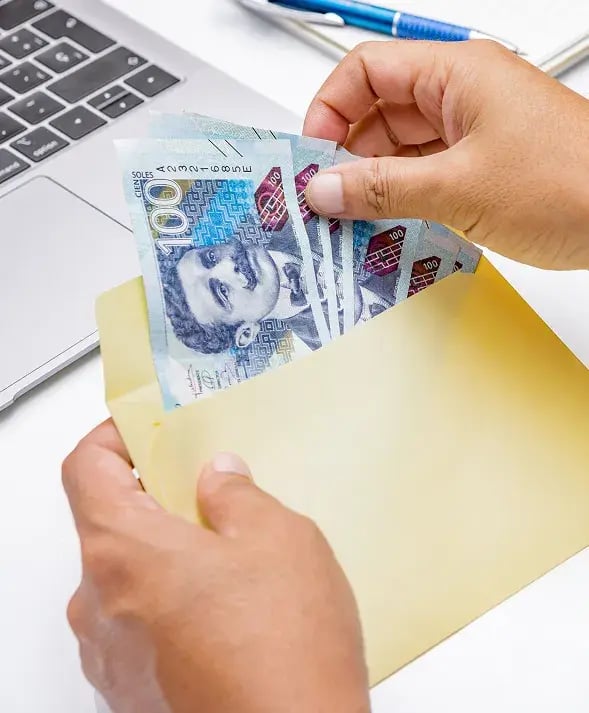
Understanding the dynamics of cash vs. card usage in Peru is crucial for a smooth experience.
- Cash:
Remains king in local markets, small shops, taxis, and rural areas. Carry 100, 50, and 20 sol notes for everyday flexibility. - Cards:
Credit and debit cards (Visa and MasterCard more than American Express) are accepted mostly in hotels, restaurants, shopping malls, and tourist sites in big cities - Digital Wallets:
Though growing in popularity in Lima, electronic wallets and mobile payment methods remain less common, especially outside urban centers.
Travelers should plan to use a combination of cards and cash depending on their itinerary and locations. Carrying too much cash can be risky, but having too little might limit your options in remote areas.
Travel Integration
Soft Travel Booking Integration
Planning your trip to Peru?
Explore our handpicked tours, hotels, and accommodations tailored for travelers of all types.
Need an expertly designed itinerary?
Book with our travel specialists for a hassle-free Peru adventure.
Contact Us
Contact Information
Find Our Contact Details for Quick Assistance and Personalized Travel Support.
Location
Lima, Peru
Call Us
Get In Touch
* Tell Us About Your Travel Plans & How We Can Help!
Frequently Asked Questions
Can I use US dollars in Peru?
US dollars are accepted in some tourist hotspots, but it’s best to use soles to avoid confusion and get better prices. Most daily expenses are priced in soles.
Are credit cards widely accepted?
Cards work well in urban areas and tourist sites, but many local vendors prefer cash. Always carry some cash.
Do ATMs charge extra fees?
Yes, many ATMs charge fees; check with your home bank for international withdrawal charges before traveling.
How do I avoid counterfeit notes?
Exchange money only at banks or licensed changers. Familiarize yourself with the security features on soles and inspect your cash closely.
How much cash should I carry?
Carry enough for daily expenses and emergencies, roughly 100 to 200 soles, depending on your travel plans.