Journey Through 5,000 Years
The Extraordinary History of Peru
From ancient civilizations to Inca grandeur and colonial splendor discover how Peru’s timeless past shapes the journey of a lifetime.

Explore Vacation Options
Historic Legacy
Why Peru's History Matters
The history of Peru isn’t merely an academic subject—it’s a living experience that influences everything modern travelers encounter. From world-renowned cuisine rooted in ancient Peru civilizations to architectural marvels carved into Andean mountainsides, Peru’s 5,000-year legacy creates one of the world’s most culturally rich destinations.
When you visit Peru, you’re traveling through time. Colonial churches rise from Inca temple foundations, remote archaeological sites reveal engineering brilliance, and festivals blend pre-Columbian traditions with Spanish influences. Understanding Peru’s past transforms sightseeing into profound cultural immersion.


Ancient Peru
Pre Inca Civilizations
Long before the Inca Empire, pre-Columbian Peru history flourished with sophisticated cultures that built monumental architecture, developed irrigation systems, and created stunning artwork.
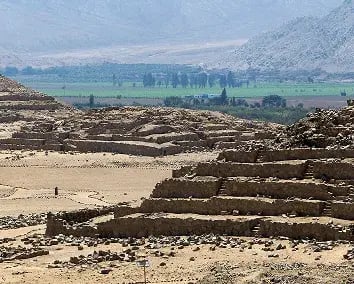
Caral Civilization (3000- 1800 BCE):
The oldest city in the Americas, featuring pyramids that predate Egypt’s famous structures. Visit this UNESCO site on a day trip from Lima.

Nazca Civilization (200 BCE-600 CE):
Famous for the mysterious Nazca Lines massive geoglyphs visible only from the air. Take a scenic flight over these UNESCO World Heritage wonders depicting animals and geometric shapes.
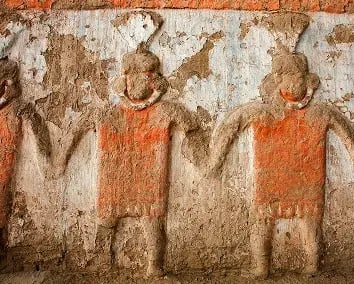
Moche Civilization (100- 700 CE):
Created sophisticated metalwork and realistic pottery. The 1987 discovery of the Lord of Sipán’s tomb filled with gold and precious stones ranks among archaeology’s greatest finds. Visit the Royal Tombs of Sipán Museum in Lambayeque.
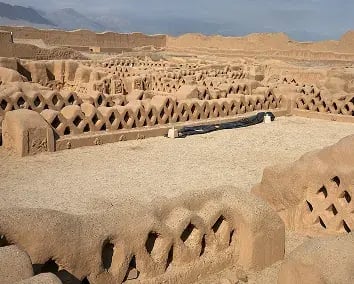
Chimú Empire (900-1470 CE):
Built Chan Chan, the largest pre-Columbian city in South America near Trujillo. This massive adobe complex housed 60,000 people and showcases advanced urban planning.
Ancient Peru
The Inca Empire (1200-1532 CE)
The Inca Empire history represents the apex of Andean civilization. Beginning in Cusco around 1200 CE, the empire expanded dramatically under Pachacuti Inca Yupanqui (1438-1471), eventually stretching from Colombia to Chile.
Engineering Brilliance
The Incas achieved remarkable feats without iron tools, the wheel, or written language:
- Road System:
Over 25,000 miles of roads connected the empire. - Stone Architecture:
Precision-cut stones fit without mortar, earthquake resistant for centuries - Agricultural Terraces:
Massive terrace systems transformed mountainsides into farmland - Hydraulic Systems:
Sophisticated aqueducts supplied water to cities.
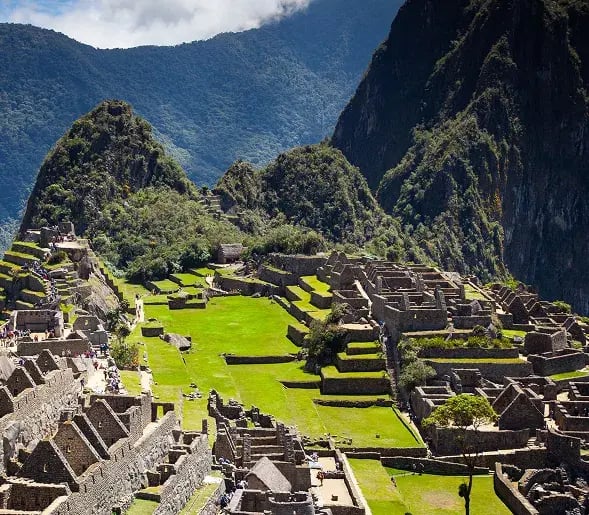
Must Visit Inca Sites
- Machu Picchu:
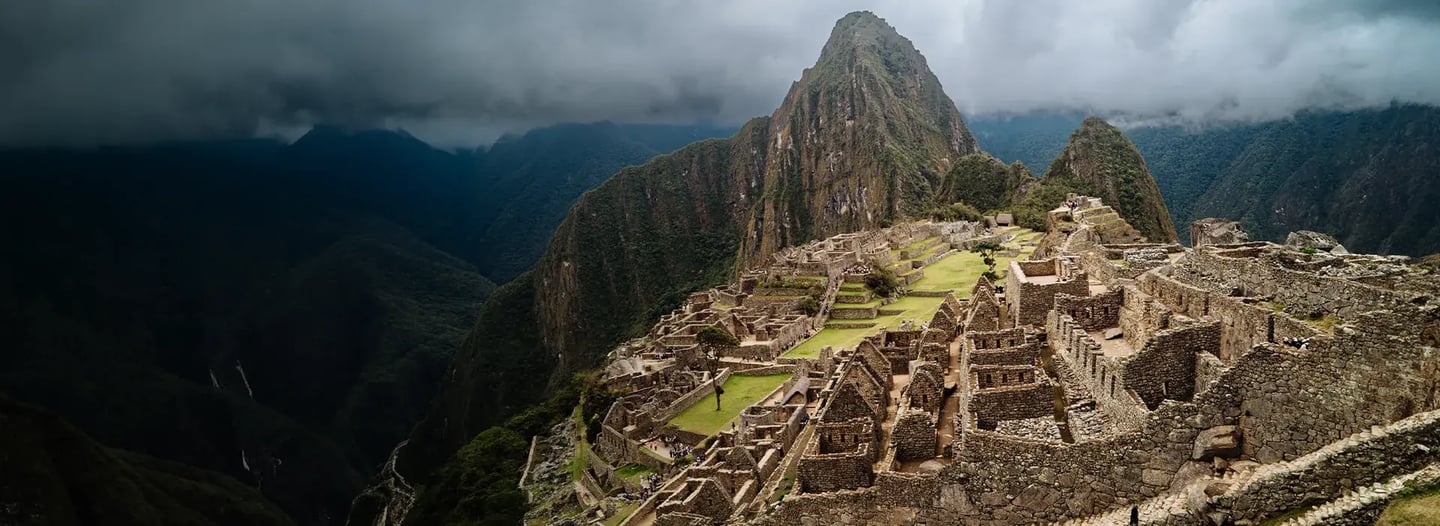
Built under Pachacuti around 1460, this 15th-century citadel perches dramatically above the Sacred Valley. Its sophisticated architecture, astronomical alignments, and breathtaking setting make it one of the world's most iconic wonders. - Sacsayhuamán (Cusco):
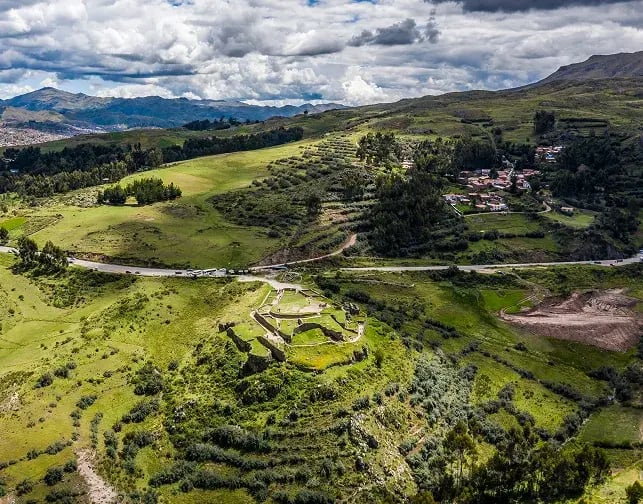
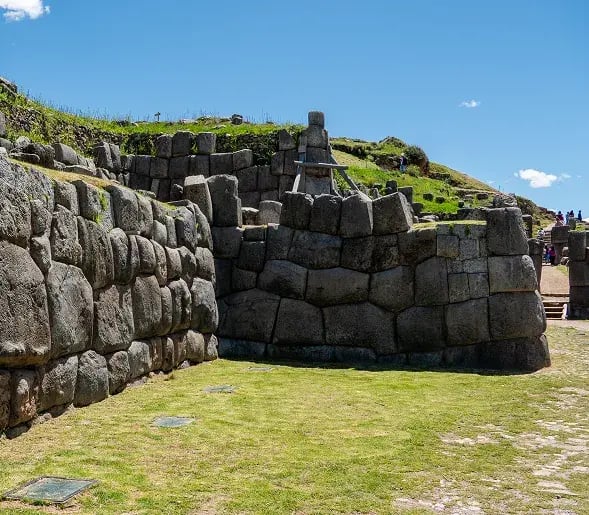
Massive fortress with megalithic stones weighing up to 200 tons, precisely fitted in zigzag walls. - Ollantaytambo:
A living Inca town where residents still inhabit buildings on original foundations. The temple complex features impressive stone terraces. - Sacred Valley Circuit:
Explore Pisac, known for agricultural terraces and vibrant markets, combining archaeological wonder with contemporary Andean culture.
Ready to experience Peru's extraordinary history of Peru?
From ancient Peru civilizations to Inca Empire history and colonial splendor, we create journeys bringing 5,000 years to life.
Colonial Era
Spanish Conquest & Colonial Peru (1532-1821)
The Spanish conquest of Peru began in 1532 when Francisco Pizarro captured Inca emperor Atahualpa at Cajamarca, exploiting a civil war between rival brothers. By 1533, Spanish forces occupied Cusco, ending the Inca Empire.
Colonial Legacy
The colonial period in Peru created a unique multicultural society blending Indigenous, European, and African influences. This fusion shaped Peru’s distinctive architecture, cuisine, music, and traditions.
Colonial Cities Worth Exploring:
- Lima:
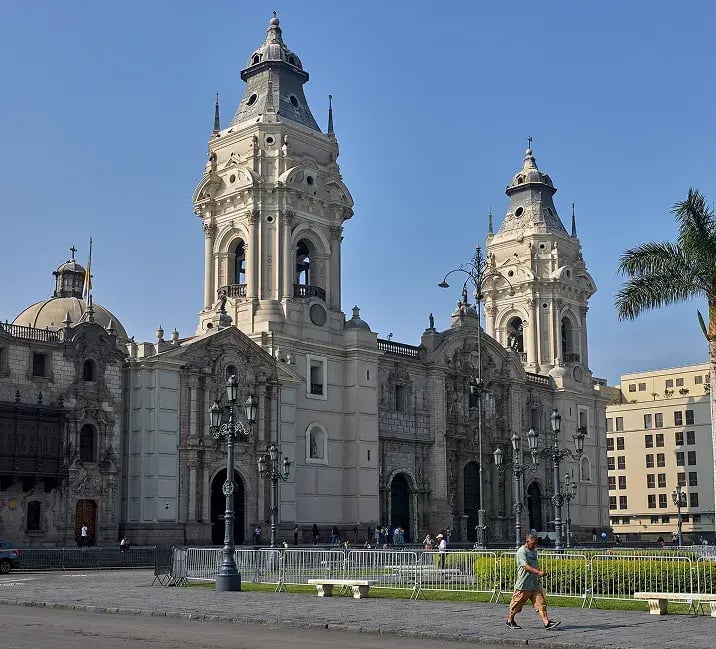
Founded in 1535, its UNESCO-listed historic center features magnificent baroque churches, colonial mansions, and the famous San Francisco Monastery catacombs. - Cusco:
Spanish colonizers built directly atop Inca foundations, creating architectural fusion where Inca stonework supports colonial structures. - Arequipa:
The "White City" showcases stunning sillar (white volcanic stone) architecture and the breathtaking Santa Catalina Monastery.
Indigenous Resistance
The Túpac Amaru II rebellion of 1780-1781 challenged Spanish oppression. Though crushed, this uprising inspired future independence movements and remains a powerful symbol of Indigenous rights.
Historic Legacy
Independence & Modern Peru
Peru independence 1821 was declared by José de San Martín on July 28 in Lima. However, full independence came only after the Battle of Ayacucho significance on December 9, 1824, when Simón Bolívar’s forces decisively defeated Spanish troops, ending colonial rule across South America.
The modern history of Peru encompasses dramatic transformations throughout the 20th and 21st centuries. Recent decades brought political stability, economic growth, and a cultural renaissance. Peru’s culinary revolution gained international acclaim, with Lima becoming Latin America’s gastronomic capital. UNESCO has recognized 12 Peruvian sites as World Heritage Sites, acknowledging the country’s universal cultural significance.
Travel Insight
How History Shapes Your Trip
Peru offers travelers unparalleled opportunities to experience history firsthand:
Ancient Archaeological Sites:
From 5,000 year old Caral pyramids to Machu Picchu’s Inca splendor, Peru’s ruins span millennia.
Colonial Architecture:
Explore Cusco, Arequipa, and Lima’s preserved churches, monasteries, and plazas.
Cultural Festivals:
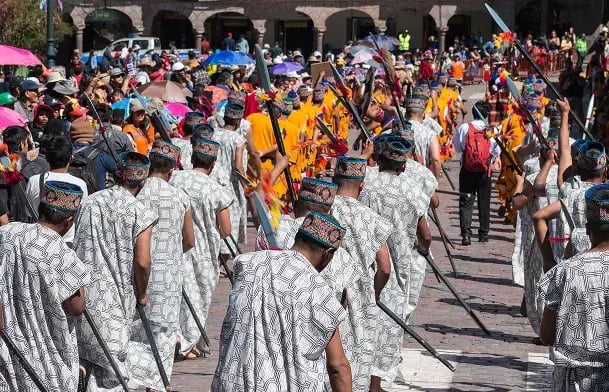
Annual celebrations like Inti Raymi (June 24) blend pre-Columbian and Catholic traditions, offering immersive cultural experiences.
World Class Museums:
Museo Larco (Lima), Royal Tombs of Sipán Museum (Lambayeque), and Museum of Pre-Columbian Art (Cusco) showcase Peru’s treasures.
Practical Travel Tips
Best Time to Visit:
May through September (dry season) for highland ruins; year-round for coastal sites and Lima museums.
Recommended Itinerary:
7-10 days covering Lima, Sacred Valley, Machu Picchu, and Cusco provides comprehensive historical immersion.
Expert Guidance
Our Expert Travel Specialists Offer
- Curated archaeological tours with historian guides.
- Exclusive UNESCO World Heritage Site experiences.
- Comfortable accommodations near historical landmarks.
- Seamless logistics handling permits and transportation.
Start planning your unforgettable journey through Peru’s timeless history today.
Contact Us
Contact Information
Find Our Contact Details for Quick Assistance and Personalized Travel Support.
Location
Lima, Peru
Call Us
Get In Touch
* Tell Us About Your Travel Plans & How We Can Help!
Frequently Asked Questions
What are the most important ancient cultures in Peru?
Key ancient Peru civilizations include Caral (oldest in the Americas), Nazca (famous for the Lines), Moche (Lord of Sipán), Chimú (Chan Chan), and the Inca Empire.
Is it worth hiring a guide for archaeological sites?
Absolutely. Guides transform ruins into vivid narratives, explaining architectural techniques and cultural significance that’s easily missed independently.
What's the best time to visit Machu Picchu?
The dry season (May-September) offers optimal conditions, though it’s busiest. Shoulder seasons (April-May, September-October) balance good weather with fewer crowds.
Why was the Battle of Ayacucho important?
The Battle of Ayacucho significance lies in decisively ending Spanish colonial rule on December 9, 1824, securing Peru independence 1821 and concluding South American wars of independence.
How does Peru's history influence modern culture?
Peru’s ancient heritage shapes contemporary cuisine, textile traditions, architectural styles, languages (Quechua, Aymara), and festivals that blend Indigenous and Catholic traditions.