Peru’s Camelids
Llamas and Alpacas in Peru: A Complete Guide
Understanding Llamas & Alpacas in Peru
Welcome to your guide on llamas in Peru and alpacas in Peru — two of the country’s most iconic and beloved animals. These gentle camelids captivate visitors with their beauty, intelligence, and deep cultural importance. In this article, you’ll explore the difference between llama and alpaca, uncover fascinating llamas and alpacas Peru facts, and discover the best places to see them across the Andes.

Explore Vacation Options
The Camelids of Peru
A Family Portrait
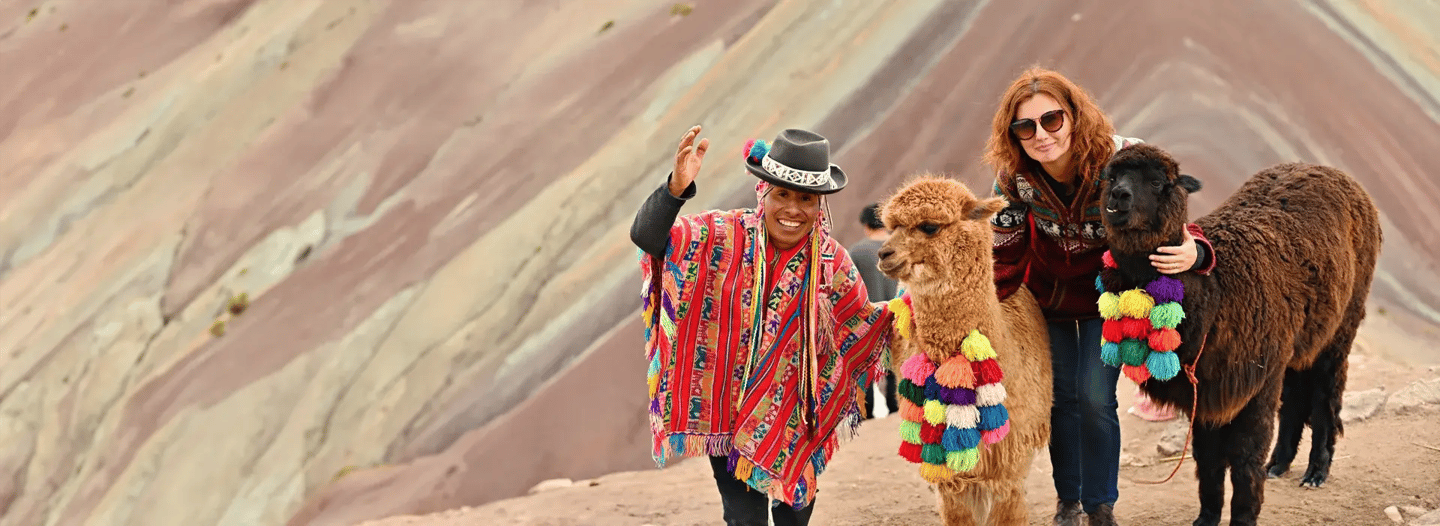
Peru is home to four native camelids of Peru — the llama, alpaca, vicuña, and guanaco. Among them, llamas and alpacas are domesticated and have been part of Andean life for over 5,000 years.
Llamas serve primarily as pack animals, capable of carrying heavy loads over mountain trails. Alpacas, on the other hand, are bred for their luxurious fleece. Today, Peru hosts around 80% of the world’s alpaca population, making Peru alpaca wool one of the country’s most valued natural exports.
These animals endure extreme altitudes and cold temperatures, thriving in conditions that few livestock species can tolerate. For Andean communities, they are essential to both survival and identity.

Key Differences
Llamas vs. Alpacas: What’s the Difference?
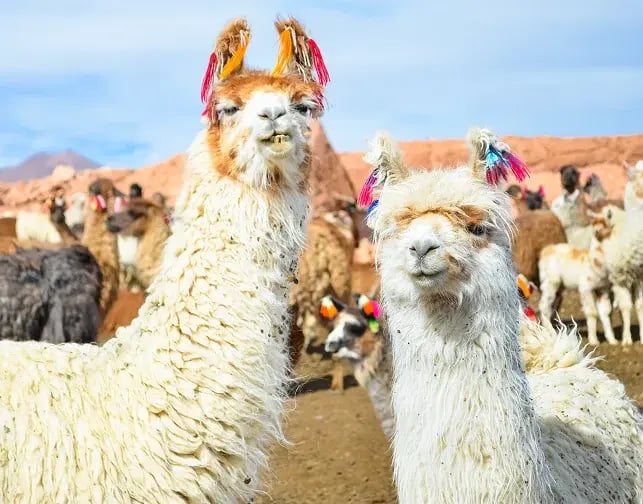
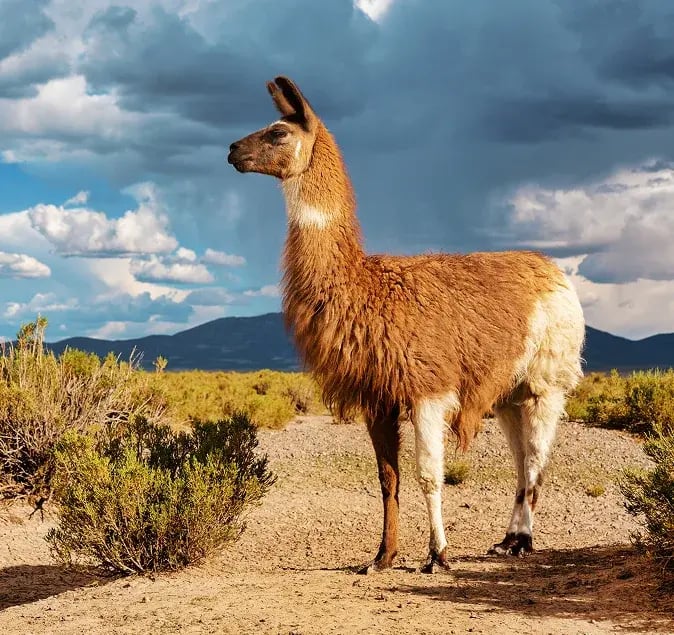
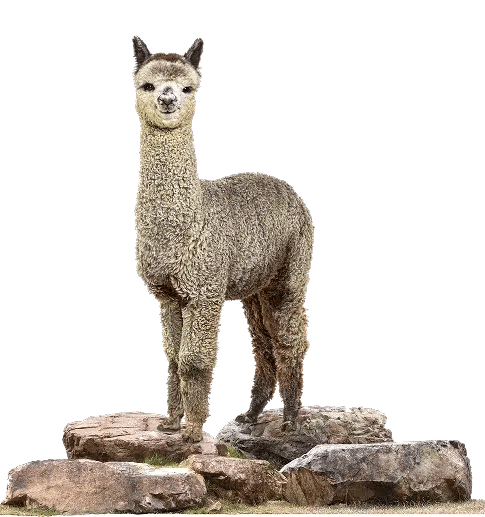
When comparing the difference between llama and alpaca, several features help distinguish them:
Feature
Llama
Alpaca
Size & Build
Larger, stronger; up to 180 kg
Smaller, lighter; up to 70 kg
Ears
Long, curved “banana” shape
Short and straight
Face
Longer muzzle
Rounded face
Primary Use
Pack and guard animal
Fine fibre production
Wool Texture
Coarser, thicker fleece
Softer, denser fleece
Llamas tend to be more confident and independent, often serving as guardians for herds. Alpacas are gentle, social, and more commonly raised in groups for textile production. These distinctions are well known among Peruvian herders, whose livelihoods depend on understanding these traits.
Fun Facts
Fascinating Llamas and Alpacas Peru Facts
Here are some interesting llamas and alpacas Peru facts:
- Alpacas are shorn once every one to two years to maintain wool quality.
- Alpaca fleece comes in over twenty natural shades, from ivory to dark chocolate.
- Llamas can carry up to 25–30% of their body weight for long distances.
- Both animals are vital to highland economies, providing wool, transport, and fertilizer.
- In ancient Inca society, llamas were symbols of wealth and were often depicted in art and textiles.
- Today, llamas at Machu Picchu have become icons of Peruvian tourism, appearing in countless traveller photos.
These animals not only represent heritage and tradition but also contribute to Peru’s modern identity and economy.
Every Trip With Us Creates A Positive Impact
Join us on a journey where every trip you take contributes to a positive change, supporting communities and preserving Peru’s wonders.
Peru Alpaca Wool
The Golden Thread
The soft, warm, and resilient Peru alpaca wool is prized across the world for its superior quality. It is:
- Lightweight yet warmer than sheep’s wool
- Naturally water-resistant and hypoallergenic
- Available in a wide range of natural colours
- Durable and ideal for luxury clothing and home textiles
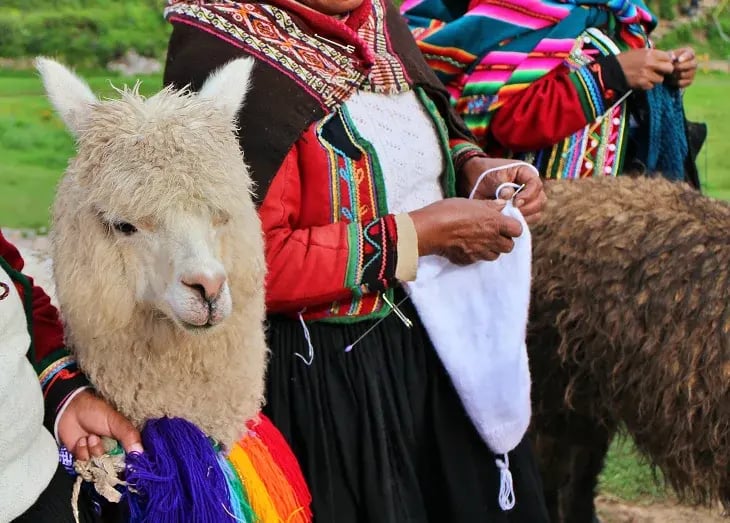
Artisans across the Andes continue to weave and knit this fibre using techniques passed down for generations. Alpaca garments are exported globally, representing a vital source of income for rural families while promoting sustainable, ethical production.
Key Differences
Where to See Alpacas and Llamas in Peru
If you’re wondering where to see alpacas in Peru, the best regions include the high Andean plateaus and valleys. Popular destinations are:
Location
What You’ll See
Cusco & Sacred Valley
Community farms and alpaca herds
Machu Picchu
Free-roaming llamas grazing on terraces
Arequipa
Local textiles and weaving cooperatives
Puno & Lake Titicaca
Highland pastures with herding families
Chinchero & Pisac
Traditional weaving villages
Travelers seeking lamas in Peru can visit rural communities where families still raise them for transportation and cultural ceremonies. Respectful encounters support local tourism and preserve traditional livelihoods.
Llama Trekking Peru
Adventure with a Local Touch
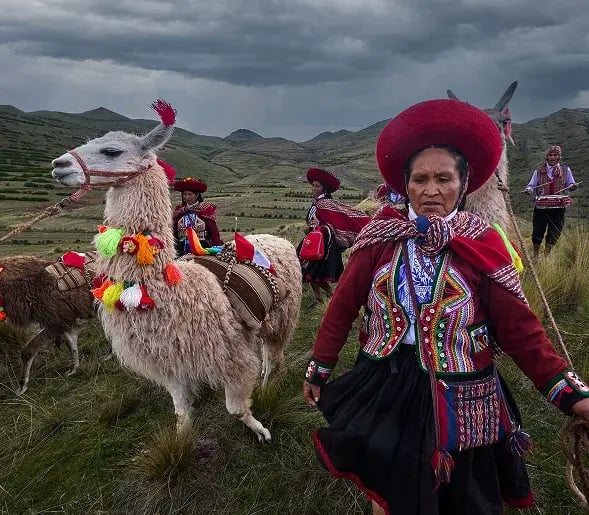
For an authentic experience, try llama trekking Peru, where llamas accompany you along scenic Andean trails. Unlike conventional hikes, these treks blend nature, culture, and animal companionship.
Llamas carry camping gear, allowing visitors to travel lightly while walking through remote villages and stunning landscapes. Routes such as Lares and Huchuy Qosqo offer direct contact with indigenous communities who share insights about their herding traditions and daily life.
These adventures highlight how llamas in Peru remain an integral part of mountain living, connecting past and present in unforgettable ways.
Llama Trekking Peru
Culture, Conservation & Community
The survival of the camelids of Peru depends on responsible management and cultural respect. Local cooperatives now focus on improving breeding programs, conserving native pastures, and ensuring fair trade for wool producers.
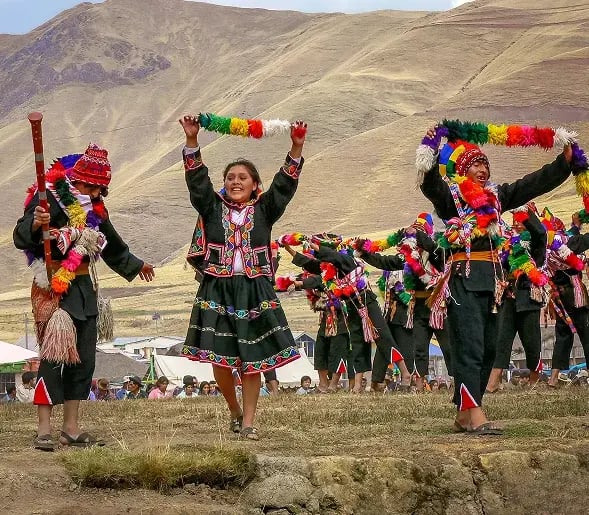
Cultural festivals often feature parades of decorated llamas and alpacas, representing abundance and gratitude to nature. Protecting these animals means safeguarding centuries of Andean knowledge, art, and identity.
By choosing sustainable tours and supporting handmade products, travellers directly contribute to conservation while celebrating Peru’s living heritage.
Contact Us
Contact Information
Find Our Contact Details for Quick Assistance and Personalized Travel Support.
Location
Lima, Peru
Call Us
Get In Touch
* Tell Us About Your Travel Plans & How We Can Help!
Frequently Asked Questions
What is the main difference between a llama and an alpaca?
Llamas are larger and used for carrying loads, while alpacas are smaller and valued for their fine fibre. Llamas have longer faces and coarser wool, while alpacas have shorter muzzles and incredibly soft fleece prized worldwide for textiles.
Where can I see alpacas in Peru?
You can see them in the high Andes around Cusco, the Sacred Valley, Arequipa, and Puno. Many farms and eco-lodges also let visitors interact with alpacas and learn about traditional shearing and weaving techniques.
Are there llamas at Machu Picchu?
Yes, llamas at Machu Picchu roam freely around the ruins, often approaching visitors. They have become iconic symbols of the site, offering tourists memorable photo opportunities against the backdrop of the ancient Incan citadel.
How many alpacas live in Peru?
Peru holds nearly four million alpacas, accounting for about 80% of the global population. These animals are primarily raised in high-altitude regions, where they thrive in cold, dry conditions and support many indigenous communities economically.
Why is alpaca wool so special?
It’s soft, warm, lightweight, and hypoallergenic, making it ideal for high-quality clothing. Peru alpaca wool also resists water and odour, making it perfect for luxury fashion and sustainable outdoor wear appreciated around the world.
What are the native camelids of Peru?
The four native species are llama, alpaca, vicuña, and guanaco. Together, these camelids of Peru have shaped Andean life for centuries, serving as vital sources of transport, fibre, and cultural identity for local people.
What is llama trekking in Peru?
Llama trekking Peru involves guided walks with llamas carrying supplies, offering eco-friendly and cultural adventures. It allows travellers to explore remote Andean trails while supporting sustainable tourism and traditional herders who care for the animals.
Do llamas and alpacas have the same temperament?
Llamas are more confident and independent, while alpacas are gentler and shy. Alpacas tend to stay in herds, whereas llamas often act as protectors, guarding alpacas or sheep from predators in the highlands.
Are llamas and alpacas wild?
No, both are domesticated species; their wild relatives are the vicuña and guanaco. While llamas and alpacas rely on humans for care, vicuñas and guanacos still roam freely across the Andean plateaus of South America.
Why are llamas and alpacas important to Peru?
They provide transportation, wool, and cultural value, supporting thousands of rural families. Beyond economics, llamas and alpacas symbolize heritage and resilience, deeply woven into Peru’s art, rituals, and sustainable rural livelihoods for generations.