Understanding Peru Weather
Peru weather
Your Complete Climate Guide
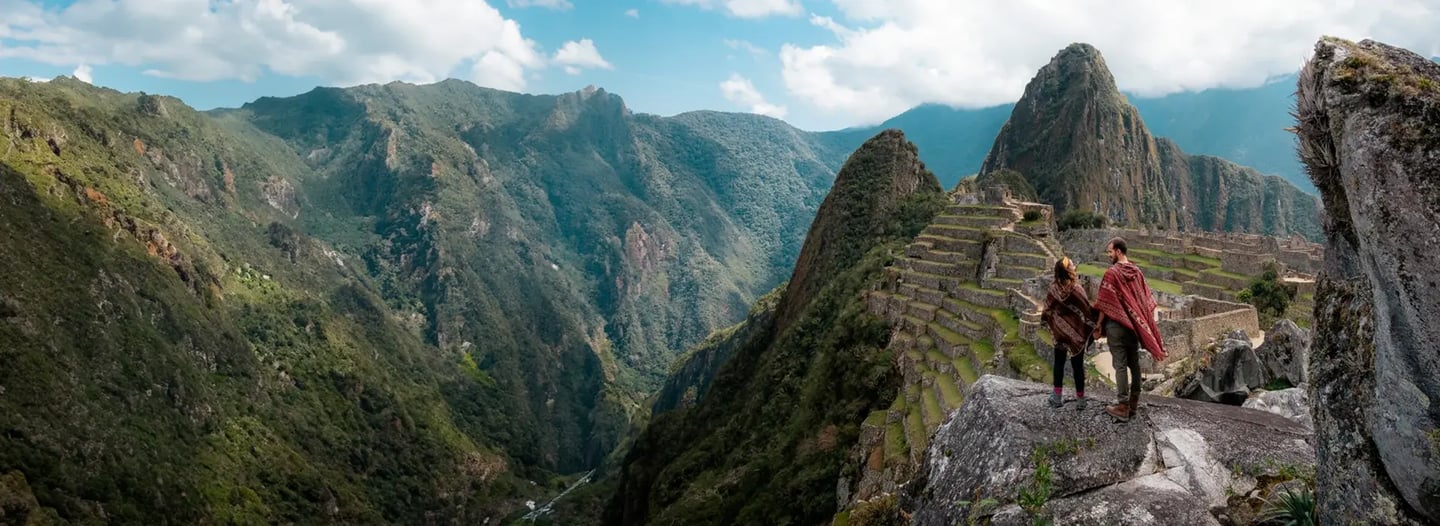
Peru’s remarkable geography creates three distinct climate zones: the coastal desert (la Costa), the Andean highlands (la Sierra), and the Amazon rainforest (la Selva). Understanding Peru climate is essential for planning your adventure, as weather patterns vary dramatically across these regions. The coastal region experiences a dry, hot climate year-round, while the Andes feature wet and dry seasons with temperatures varying by altitude. The Amazon maintains hot, humid conditions throughout the year, with increased rainfall from December through March.

Explore Vacation Options
Peru Climate
Three Distinct Zones in One Country
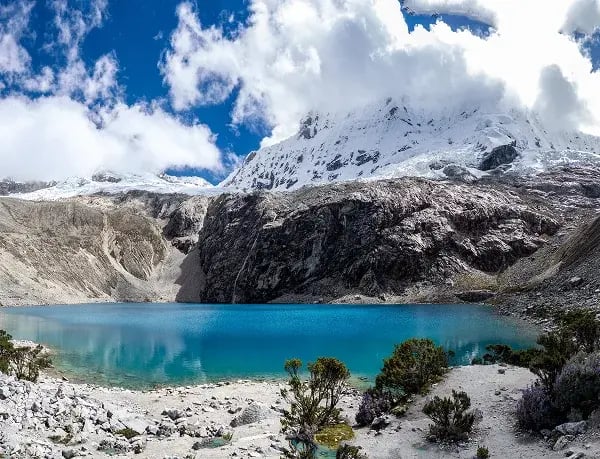
Peru weather can be unpredictable, with travellers often experiencing multiple weather conditions in a single day. This diversity is what makes Peru such a fascinating destination, offering everything from desert beaches to snow capped mountains and tropical rainforest within the same country.
Key Climate Zone Characteristics:
- Coastal Desert :
Minimal rainfall, moderate temperatures, unique fog (garúa) - Andean Highlands :
Dramatic temperature swings, distinct wet and dry seasons. - Amazon Rainforest :
Consistent warmth, high humidity, substantial year round rainfall.
Peru Weather by Month
Seasonal Patterns and Temperature Ranges
Understanding Peru weather by month helps travellers plan the perfect itinerary. Peru primarily operates on two main seasons: the dry season from May to October and the wet season from November to April. However, these patterns manifest differently across Peru climate zones, creating unique experiences depending on your destination.
Dry Season (May - October)
The dry season brings sunny days and clear skies, making it ideal for hiking in the Andes, especially from May to September. Daytime temperatures in the mountains range between 68°F and 77°F (20°C-25°C), though nights can be quite chilly. This period represents the best time to visit Peru for most travellers, particularly those planning to trek the Inca Trail or explore Machu Picchu.
Coastal areas experience milder, more humid weather during these months, often blanketed in garúa—a misty, grey fog that keeps temperatures low. The Amazon sees reduced rainfall compared to the wet season, though afternoon showers remain possible.

Wet Season (November - April)
The wet season runs from November to April, with the Andes experiencing heavy rain, especially in January and February. Peru rainy season brings lush, green landscapes and fewer crowds, though certain activities become more challenging. Daytime temperatures in the highlands hover between 64°F to 68°F (18°C-20°C) during this period.
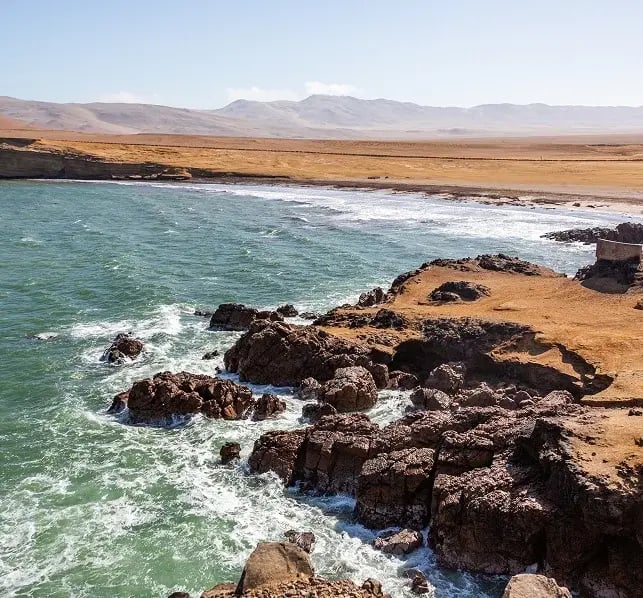
Coastal regions experience their hottest, driest weather during the wet season months, with temperatures reaching 45°C (110°F) from December through April. This makes Peru rainy season paradoxically the best time for beach activities along the coast.


Regional Weather Patterns
Coast, Highlands and Amazon




Coastal Region Weather
Lima, Peru’s capital, is one of the driest capital cities globally, receiving only about 1.5 cm (0.6 inches) of rainfall annually. Peru travel weather along the coast remains remarkably stable due to desert conditions. Winter months (May-September) bring the garúa phenomenon, with daytime temperatures ranging from 15°C (59°F) to 21°C (69.8°F).
Coastal Region Weather
- Minimal annual rainfall (197 mm in Lima).
- Summer temperatures: 25°C - 35°C (77°F - 95°F).
- Winter fog creates unique microclimate.
- Northern beaches remain warm year round.

Andean Highlands Climate
The Andes present the most complex weather patterns, varying significantly by altitude. Cusco receives substantial annual precipitation of 1,341 mm, with February being the wettest month at 246 mm of rainfall. Understanding Peru average rainfall in mountainous regions is crucial for trek planning.
Temperature by Altitude:
- Below 1,000m: 25°C average annual temperature
- 1,000-2,000m: 15-20°C range
- 2,000-3,500m: 12°C average
- 3,500-4,500m: 0-8°C range
- Above 4,500m: Below 0°C year-round

Amazon Rainforest Conditions
The Amazon maintains warm, humid conditions throughout the year, with temperatures around 31°C (88°F). Even during dry months, afternoon rain showers are common. The best time to visit Peru’s jungle regions is during the dry season when wildlife viewing improves and trails remain more accessible.
Monthly Weather Breakdown
Planning Your Perfect Trip
Month
Coastal Temp.
Highlands Temp
Rainfall Pattern
Travel Suitability
January
25-29°C
18-20°C (Day)
Heavy in Andes
Coast: Excellent, Andes: Limited
February
25-29°C
18-20°C (Day)
Peak rainfall
Coast: Excellent, Andes: Challenging
March
24-28°C
18-20°C (Day)
Decreasing rain
Coast: Very Good, Andes: Improving
April
22-26°C
19-21°C (Day)
Shoulder season
All regions: Good
May
19-22°C
19-21°C (Day)
Dry season begins
All regions: Excellent
June
17-20°C
19-20°C (Day)
Dry, clear skies
All regions: Excellent
July
16-19°C
19-20°C (Day)
Driest month
All regions: Peak season
August
16-19°C
19-20°C (Day)
Continued dry
All regions: Peak season
September
17-20°C
19-21°C (Day)
Still dry
All regions: Excellent
October
18-22°C
19-21°C (Day)
Shoulder season
All regions: Very Good
November
20-24°C
18-20°C (Day)
Wet season starts
Coast: Good, Andes: Challenging
December
23-27°C
18-20°C (Day)
Increasing rain
Coast: Excellent, Andes: Limited

Best Time to Visit Peru
Matching Weather to Your Itinerary
Determining the best time to visit Peru depends entirely on your destination priorities and activity preferences. The optimal period for most travellers is May to October, perfect for trekking and exploring Machu Picchu with clear skies and minimal rainfall.
Peak Season (June - August)
- Optimal Peru weather forecast reliability
- Crowded attractions and higher prices
- Best conditions for Inca Trail and mountain treks
- Cool, foggy conditions along the coast
Shoulder Season (April-May, September-October)
- Balanced Peru travel weather across regions.
- Moderate crowds and prices.
- Generally favourable conditions.
- Flexible itinerary options.
Low Season (November - March)
- Lush, green landscapes in highlands
- Fewer tourists at major sites
- Best beach weather along coast
- Challenging conditions for mountain activities

Peak Season (June - August)
- Optimal Peru weather forecast reliability
- Crowded attractions and higher prices
- Best conditions for Inca Trail and mountain treks
- Cool, foggy conditions along the coast
Shoulder Season (April-May, September-October)
- Balanced Peru travel weather across regions.
- Moderate crowds and prices.
- Generally favourable conditions.
- Flexible itinerary options.

Low Season (November - March)
- Lush, green landscapes in highlands
- Fewer tourists at major sites
- Best beach weather along coast
- Challenging conditions for mountain activities
Every Trip With Us Creates A Positive Impact
Join us on a journey where every trip you take contributes to a positive change, supporting communities and preserving Peru’s wonders.
Peru Climate
Understanding Peru Average Rainfall Across Regions
Peru average rainfall varies dramatically depending on location and season. Cusco’s annual precipitation reaches 1,341 mm, with the wettest months (January-February) receiving over 240 mm each. In contrast, July the driest month sees only 17 mm of rainfall over approximately 2 rainy days.
Lima’s exceptional aridity results in just 197 mm of annual precipitation, with February being the wettest month at only 31 mm. This extreme contrast illustrates why Peru weather requires region specific planning.

Rainfall Comparison Table
Location
Annual Rainfall
Wettest Month
Driest Month
Lima (Coast)
197 mm
February (31 mm)
April (10 mm)
Cusco (Highlands)
1,341 mm
February (246 mm)
July (17 mm)
Amazon Region
2,000+ mm
December-March
June-August
Peru Weather Forecast
What to Expect and How to Prepare
Modern Peru weather forecast tools provide reliable predictions, though microclimates can create surprising variations. The Andes mountains have their own weather patterns, with temperatures ranging from 15°C to 25°C but capable of freezing at night at highest elevations.

Essential Weather Preparation
Layered Clothing
Temperature swings of 20°C+ between day and night.
Rain Gear
Sudden showers possible in any season
Sun Protection
High-altitude UV exposure is intense
Warm Layers
Essential for evening temperatures in highlands
Waterproof Bag
Protect electronics and documents
Contact Us
Contact Information
Find Our Contact Details for Quick Assistance and Personalized Travel Support.
Location
Lima, Peru
Call Us
Get In Touch
* Tell Us About Your Travel Plans & How We Can Help!
Frequently Asked Questions
What is the overall weather like in Peru throughout the year?
Peru has two main seasons: dry (May–Oct) with sunny days, and wet (Nov–Apr) with rain in the highlands. Weather varies across Peru climate zones: the coast stays dry, the Andes get seasonal rain, and the Amazon is humid year-round.
When is the rainy season in Peru and which regions does it affect most?
The Peru rainy season is Nov–Apr, mainly in the Andes and Amazon. January–Feb are wettest in mountains, while the coast remains hot and dry.
What is the best time of year to visit Peru for ideal weather conditions?
May–Oct is best, offering clear skies and sunny weather. June–Sep is peak season with the most reliable Peru travel weather.
How does Peru's weather vary by month across different regions?
Peru weather by month shows coast hot Dec–Apr, cool May–Oct; highlands dry May–Oct, rainy Nov–Apr; Amazon warm and humid year-round with peak rain Dec–Mar.The Peru rainy season is Nov–Apr, mainly in the Andes and Amazon. January–Feb are wettest in mountains, while the coast remains hot and dry.
What are the three main climate zones in Peru?
Peru climate zones: coastal desert (dry, moderate), Andean highlands (temperature swings, wet/dry), Amazon rainforest (hot, humid, heavy rain).
How much rainfall can I expect in major Peruvian cities?
Peru average rainfall varies: Lima 197 mm/year, Cusco 1,341 mm/year, Amazon regions 2,000–3,000 mm. Rain is heaviest in highlands during Jan–Feb.
What is the weather like along Peru's coast versus the mountains?
Coastal Peru travel weather is mild with little rain and winter fog (garúa). Mountains have cold nights, warm days, and wet/dry seasons, with altitude causing big temperature swings.
Can I check an accurate Peru weather forecast before my trip?
Yes, Peru weather forecast services are reliable for broad trends. Microclimates in the Andes mean conditions can change quickly.
What should I know about Peru's different seasons for travel planning?
Dry season (May–Oct) is ideal for highlands and trekking. Wet season (Nov–Apr) suits coastal beaches; shoulder months have fewer crowds and balanced conditions.
How does altitude affect weather conditions in Peru?
Altitude affects Peru climate strongly: temperatures drop ~6°C per 1,000 m. Below 1,000m averages 25°C, above 4,500m often below freezing.