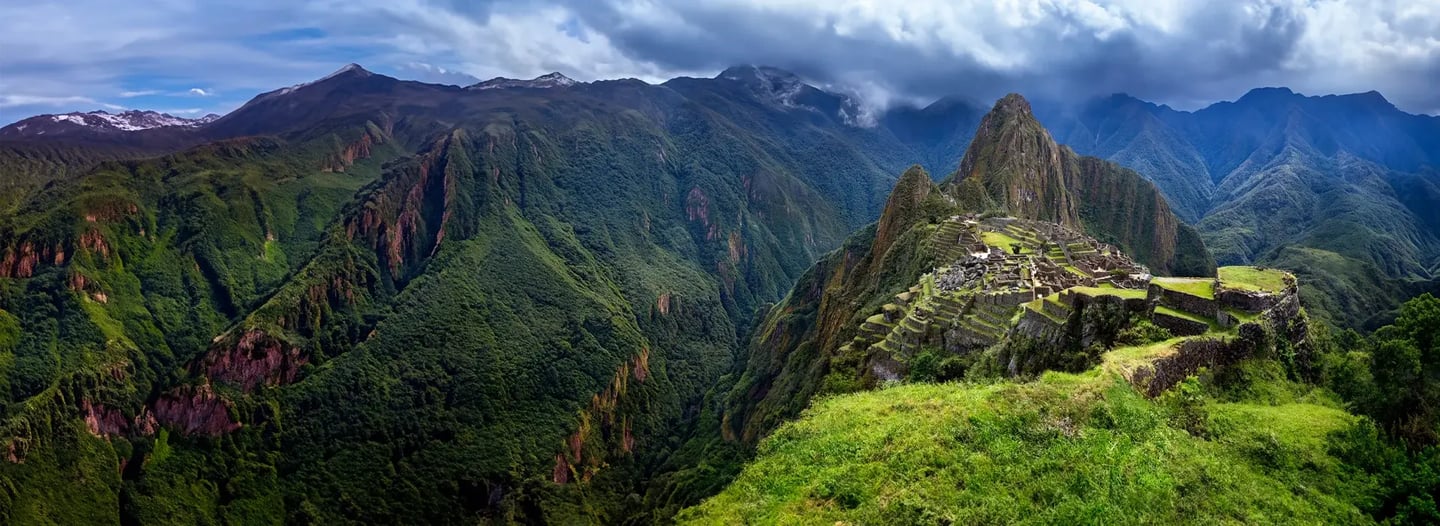
The Definitive Guide to the Inca Trail Trek
Inca Trail to Machu Picchu
The Call of the Andes: A Pilgrimage to Machu Picchu
The Inca Trail is a 42-kilometer (26-mile) trek along an Inca road to Machu Picchu, ending at the Sun Gate. The Classic route takes 4 days and 3 nights and crosses Dead Woman's Pass at 4,215 meters. The Short Inca Trail covers about 12 km in 2 days and 1 night. Permits are limited, independent hiking is not allowed, and booking 6 to 8 months ahead is advised for peak season.
To walk the Inca Trail is to step into history. This 42-kilometer (26-mile) pilgrimage follows a sacred road carved into the heart of the Andes by an ancient empire. The path winds through stunning ecosystems, from windswept mountain passes to lush cloud forest, culminating in the dramatic first glimpse of Machu Picchu from the Sun Gate. This iconic sunrise view is reserved exclusively for those who complete the trek.
As a UNESCO World Heritage site, the Inca Trail is a fragile treasure requiring careful preparation. This guide provides expert information for every stage of your journey, from permits and altitude considerations to choosing the right itinerary for transforming your dream into a successful expedition.

Explore Vacation Options
Trail Itineraries
Choosing Your Path: Inca Trail Itineraries for Every Adventurer
The Inca Trail offers experiences tailored to varying timeframes and fitness levels through two primary options: the Classic 4-Day expedition and the condensed 2-Day trek.
The Classic 4-Day/3-Night Expedition: The Definitive Pilgrimage
This immersive journey follows the entire famed route for those seeking the complete Andes experience.
Day 1: The Gateway (Cusco to Ayapata)
Beginning with early departure from Cusco to the trailhead at KM 82, this gentle introduction covers 14 km in 6-7 hours. The “Inca flat” terrain allows acclimatization while offering views of the Urubamba range and Llactapata fortress, ending at Ayapata campsite (3,300m).
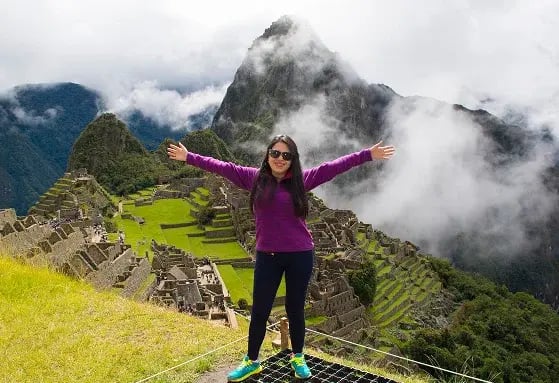
Day 2: The Apex Challenge (Ayapata to Chaquiqocha)
The trek’s most challenging day involves conquering Dead Woman’s Pass at 4,215 meters. This relentless 4-hour ascent gains over 1,200 meters before descending to Pacaymayu valley, then crossing Runkurakay Pass to Chaquiqocha campsite. The strenuous day covers 16 km in 8-9 hours.
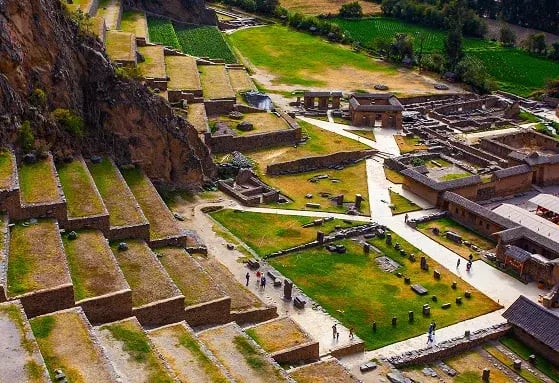
Day 3: The Path of Beauty (Chaquiqocha to Wiñay Wayna)
Often the most beautiful day, the trail descends into lush cloud forest teeming with orchids. Remarkable Inca engineering leads to spectacular ruins including Runkurakay, Sayacmarca, and Phuyupatamarca. The 9 km hike concludes at Wiñay Wayna’s exquisite terraced ruins.
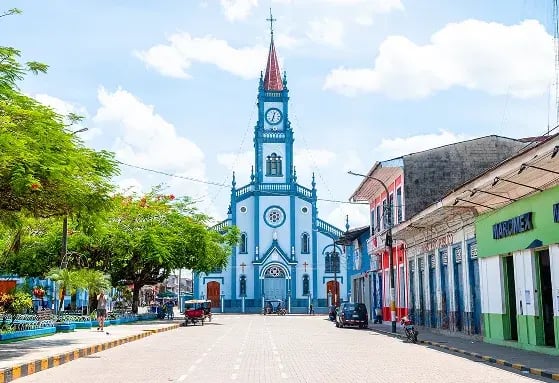
Day 4: The Sun Gate (Wiñay Wayna to Machu Picchu)
A pre-dawn start leads to the 2-hour hike to Inti Punku for the unforgettable sunrise view of Machu Picchu. A comprehensive guided tour follows before returning to Cusco via Aguas Calientes.
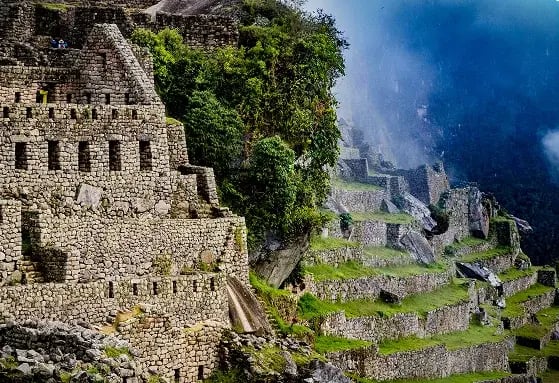


The Short Inca Trail (2-Day/1-Night): A Concentrated Experience
Perfect for time-constrained travelers or families preferring hotel comfort over camping
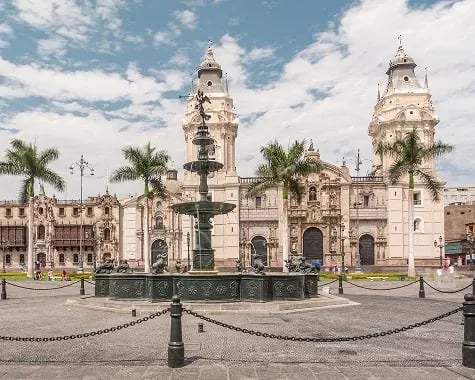
Day 1: The Best of the Trail (KM 104 to Aguas Calientes)
Starting by train to KM 104, the 12 km hike covers the trail’s most beautiful stretch, visiting Chachabamba ruins and magnificent Wiñay Wayna before reaching the Sun Gate for a serene late-afternoon Machu Picchu viewing.
Day 2: Exploring the Citadel (Machu Picchu to Cusco)
After a hotel rest, experience Machu Picchu at sunrise with a full guided tour before crowds arrive, then return to Cusco.
At-a-Glance Trek Comparison
Feature
Classic 4-Day Trek
Short 2-Day Trek
Total Distance
Approx. 42 km / 26 miles
Approx. 12 km / 7.5 miles
Hiking Days
3.5 days
1 full day
Highest Altitude
4,215 m / 13,828 ft (Dead Woman's Pass)
2,720 m / 8,924 ft (Sun Gate)
Difficulty
Challenging
Moderate
Accommodation
3 nights camping
1 night in a hotel
Key Sites
Llactapata, Dead Woman's Pass, Runkurakay, Sayacmarca, Phuyupatamarca, Wiñay Wayna, Sun Gate
Chachabamba, Wiñay Wayna, Sun Gate
Ideal For
Avid hikers, history enthusiasts, those seeking the full pilgrimage experience
Travelers with limited time, families, those preferring hotel comfort.
Every Trip With Us Creates A Positive Impact
Join us on a journey where every trip you take contributes to a positive change, supporting communities and preserving Peru’s wonders.
Peru Beaches
Hidden Beach Gems Off the Beaten Path
While Peru’s northern coast draws most beachgoers, there are lesser-known coastal treasures worth exploring:
The Reality of the Trail: A Day-by-Day Difficulty Analysis
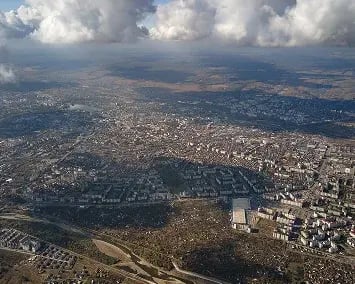
Day 1 (Easy/Moderate)
Gentle warm-up with altitude immersion at 3,300m.
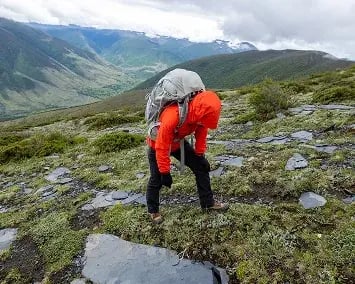
Day 2 (Hard/Strenuous)
The physical crux featuring Dead Woman’s Pass ascent with 20% less oxygen than sea level.
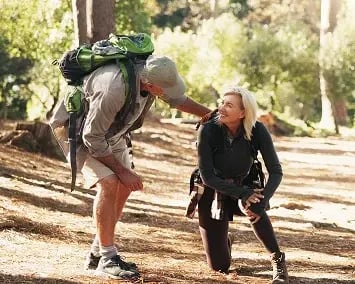
Day 3 (Moderate)
Long descent on original Inca steps challenging knees and quadriceps
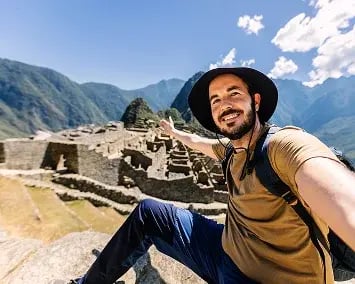
Day 4 (Easy)
Short, flat walk fueled by Machu Picchu anticipation.


Conquering 'Soroche': Your Definitive Guide to Altitude Sickness
Altitude sickness affects 40-50% of Cusco arrivals and isn’t correlated with fitness level. Prevention requires intelligent acclimatization, not intensive training.
Recognizing Symptoms:
- Mild :
Headache, fatigue, shortness of breath, nausea, dizziness. - Severe :
Persistent vomiting, confusion, coordination loss (medical emergencies requiring immediate descent)
The Golden Rule
Acclimatization Spend 2-3 full days at high altitude before trekking. The Sacred Valley (2,800m) provides gentler introduction than Cusco (3,400m).
Prevention Strategies
- Hydrate relentlessly (3-4 liters daily)
- Ascend slowly with frequent breaks
- Prioritize high-carbohydrate foods
- Use coca tea for mild symptoms
- Consider Acetazolamide (Diamox) with medical consultation
Trail Itineraries
The Golden Ticket: Navigating Permits, Costs, and Group Dynamics
The Classic 4-Day/3-Night Expedition: The Definitive Pilgrimage
The Inca Trail Permit: Your Non-Negotiable Entry
The government limits daily permits to 500 people (Classic 4-Day) and 250 (Short 2-Day), including support teams. Only ~200 permits serve tourists, with remaining for guides, cooks, and porters.
Critical Rules:
- Book 6-8 months in advance for peak season
- Permits are non-refundable and non-transferable
- Must carry original passport matching permit details
- Independent hiking prohibited; licensed operators only
Understanding Group Sizes and Trek Tiers
Maximum group size is 16 trekkers. Professional support teams include bilingual guides, chefs, and porters carrying equipment and preparing multi-course meals.
Cost Tiers:
- Budget ($750-$950): Essential services, larger groups
- Mid-Range ($1,200-$2,000): Smaller groups, upgraded equipment
- Luxury ($3,500+) : Private tours with walk-in tents, gourmet meals, massage services
Contact Us
Contact Information
Find Our Contact Details for Quick Assistance and Personalized Travel Support.
Location
Lima, Peru
Call Us
Get In Touch
* Tell Us About Your Travel Plans & How We Can Help!
Frequently Asked Questions
When is the best time to hike the Inca Trail?
April to October during dry season. Peak months (June-August) have stable weather but crowds. Shoulder months offer balanced conditions. Trail closes in February for maintenance.
How far in advance do I really need to book?
6-8 months for peak season, 4-5 months for shoulder season. Early booking is always safest.
Do I need to be an athlete to complete the trek?
No, but good cardiovascular fitness is essential. Consistent training with hills/stairs plus proper acclimatization matter more than peak fitness.
What are the toilets and showers like on the trail?
Basic squat toilets at campsites, no showers. Operators provide warm water bowls for washing.
What kind of food is served on the trek?
Professional cooks prepare fresh, multi-course Peruvian and international meals. All dietary requirements accommodated with advance notice.
How much should I tip the guides, porters, and cooks?
Group pooling: 60-70 soles per porter, 120-150 soles for cook. Individual guide tips based on service quality.
What happens if I get altitude sickness on the trail?
Guides carry emergency oxygen and manage evacuation if needed. Immediate descent is the only cure for severe symptoms.
Can I hike the Inca Trail without a guide or tour?
No. Government regulations require licensed tour operators for all trekkers.
What is the maximum group size?
16 trekkers maximum, with many operators offering smaller groups for personalized experiences.
Do I need trekking poles and can I rent them?
Highly recommended for knee protection and stability. Must have rubber tips for stone protection. Available for rent in Cusco.