Peru’s Government
Peru government
Clear, Simple Guide for Travelers
Understanding how Peru is governed helps you make sense of its cities, protected sites, and everyday life while you travel. This page gives you an accessible overview of the political system, public services, and how decisions impact your trip.

Explore Vacation Options
Quick Guide
What You’ll Learn on This Page
This government guide is designed for travelers, not political experts. In a few short sections you’ll understand:
Key Climate Zone Characteristics:
- How Peru’s democracy is structured.
- The roles of national, regional, and local governments.
- How tourism, safety, and heritage are managed.
- What this means for your routes, experiences, and comfort.
Use it alongside practical planning content in the main info and travel sections of the site.
Three Branches
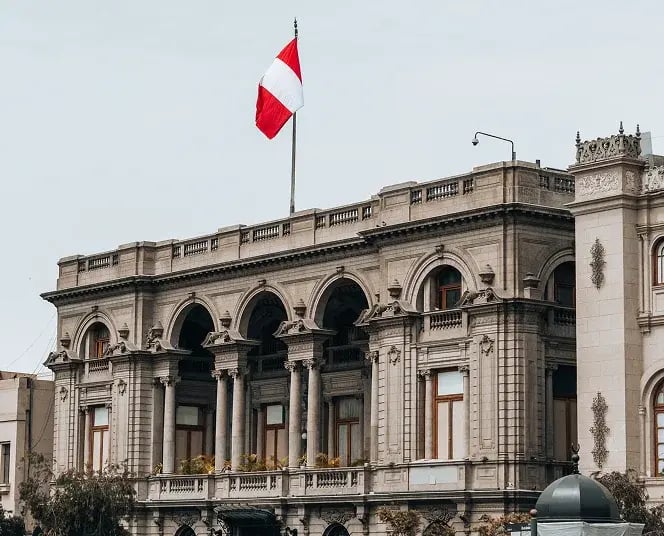
The Three Branches of Government
Understanding Peru weather by month helps travellers plan the perfect itinerary. Peru primarily operates on two main seasons: the dry season from May to October and the wet season from November to April. However, these patterns manifest differently across Peru climate zones, creating unique experiences depending on your destination.
Executive Branch
The executive branch is led by the president and a council of ministers. Each ministry focuses on a specific area: transport, health, economy, environment, culture, interior, and more.
For travelers, this branch matters because it:
- Oversees national parks and heritage sites.
- Manages big infrastructure projects like highways and airports.
- Sets tourism and public health policies.
This is the level that decides on entry rules for protected areas, capacity limits at popular sites, and nationwide health measures.
Legislative Branch
Peru’s unicameral Congress represents the country’s regions. Members debate and pass laws, approve budgets, and monitor the executive.
Some of the most relevant laws for travelers involve:
- Protection of archaeological and cultural heritage.
- Environmental conservation and park regulations.
- Consumer rights affecting travel services, tours, and transport
These decisions shape how attractions operate and how well visitors are protected when they book services.
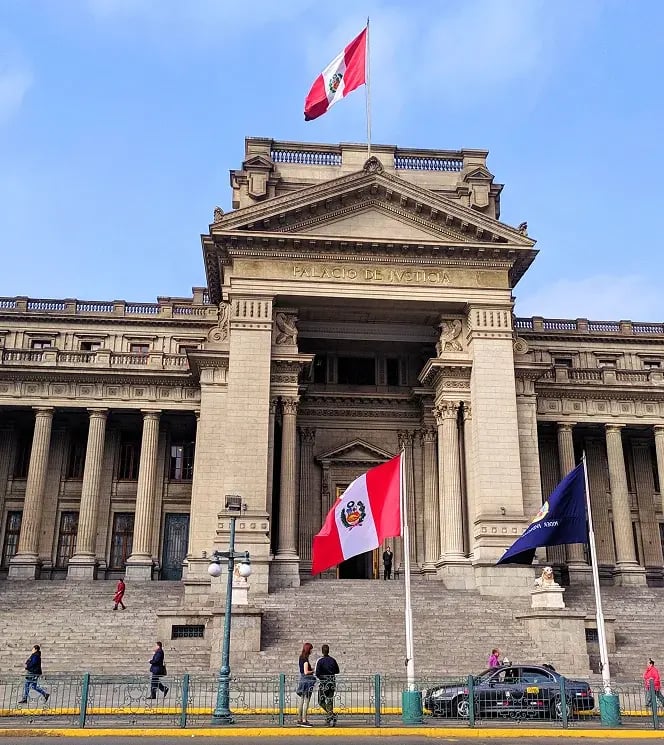
Judicial Branch
The judicial branch is independent and made up of multiple levels of courts, overseen by a Supreme Court. Its job is to interpret laws, rule on disputes, and enforce constitutional rights
For tourists, this provides:
- A framework for upholding contracts and services.
- Legal backup for consumer complaints or serious issues.
- An overall climate of rule of law.
While most travelers never interact directly with the courts, this system underpins the reliability of bookings and services.



Quick Guide
Peru’s Political System in Brief
Peru is a presidential representative democracy. The president is both head of state and head of government, elected by popular vote for a fixed term. Congress, a single-chamber legislature, creates and approves laws, inquiries, and national policies.
Everything runs under a written constitution that defines rights, elections, and separation of powers. For visitors, this means a familiar democratic framework, regular elections, and institutions designed to support economic activity and tourism.

Ready to experience Peru's extraordinary history of Peru?
From ancient Peru civilizations to Inca Empire history and colonial splendor, we create journeys bringing 5,000 years to life.
Quick Guide
National, Regional, and Local Government
Peru is divided into regions, provinces, and districts. Each level has different responsibilities that influence what you experience day to day.
- National government:
Designs overall tourism, transport, and conservation strategies; funds major projects. - Regional governments:
Implement development and tourism policies in areas like Cusco, Arequipa, Loreto (Amazon), and Puno. - Municipalities:
Manage city services, local roads, public spaces, markets, and urban events.
The differences you notice between cities public transport quality, signage, cleanliness, or how plazas are cared for are often the result of regional and local government decisions.
Planning which regions to visit next ?
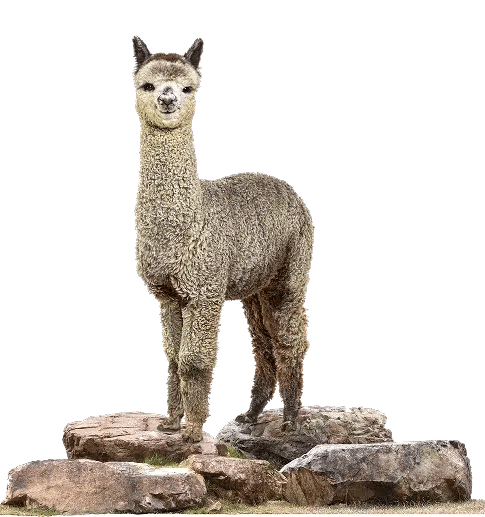
Andean Camelids
How Government Supports Tourism
Tourism is a strategic sector in Peru’s economy, so the government works to balance access with protection. Key actions include:
- Setting visitor limits and time slots at iconic sites
- Funding and maintaining road and airport links to major gateways
- Coordinating tourist safety services in main hubs
- Promoting Peru internationally as a cultural and nature destination
Ministries and regional offices coordinate with local communities and private operators to keep destinations welcoming while preserving what makes them special.
For ideas on how to connect this understanding with real experiences, routes, and logistics:

Traveler Rights
Laws, Safety, and Traveler Rights
Peru’s legal framework protects heritage, nature, and consumers, which is directly relevant to your trip.
Cultural Heritage Laws
- Protect ruins, artifacts, and sacred sites
- Regulate excavations and site use
- Define where visitors can walk, climb, or photograph
Environmental Regulations
- Set rules in national parks and reserves
- Limit group sizes and routes in fragile ecosystems
- Control wildlife interaction and waste management
Sun Protection
- Applies to tour operators, hotels, and transport providers
- Defines fair contract practices and complaint options.
In many major cities and tourist corridors, special tourist police units offer assistance, directions, and support, giving visitors an extra layer of security. Normal travel precautions (keeping valuables secure, using registered taxis, and working with reputable operators) remain essential.
Local Governance
Indigenous Communities and Local Governance
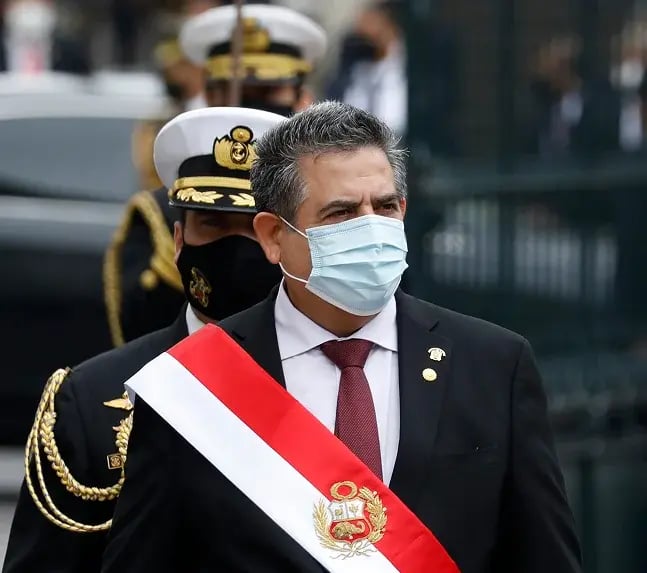
Beyond state structures, Indigenous communities especially in the Andes and Amazon have their own governance traditions that shape local tourism. Community assemblies and traditional leaders often decide:
- How many visitors to receive and when
- What cultural activities to offer (music, weaving, rituals)
- How tourism income is shared and reinvested
When you stay in a community lodge, join a village visit, or hike on community lands, you are interacting with both national regulations and local decision-making. This dual system is part of what makes cultural experiences in Peru feel authentic and rooted in place.
See Peru Travel Planning Guides
Local Governance
Public Services That Affect Your Trip
Several public responsibilities managed by government have a direct impact on your comfort and options as a traveler



Transport & Infrastructure
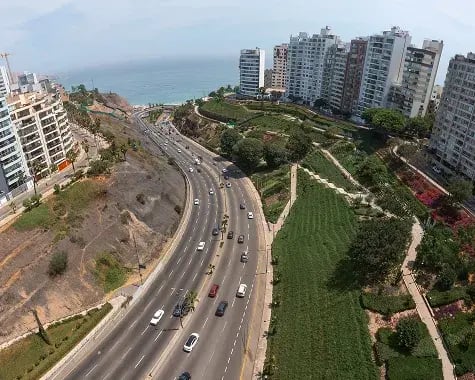
- Highways linking major cities and attractions
- Airports and regional air routes
- Some rail lines serving key tourist corridors

Health & Sanitation
- Vaccination and disease monitoring
- Emergency response capacity in cities and remote areas
- Standards for food safety and water systems

Environment & Protected Areas
- National parks and reserves (rules, signage, rangers)
- Buffer zones around sensitive ecosystems
- Long-term conservation programs that keep landscapes intact
These invisible systems allow you to move fairly easily between coastal deserts, Andean peaks, and rainforest lodges with reasonable safety and comfort.
Ready to turn this background context into a tailored trip?
Local Governance
Political Climate and Protests
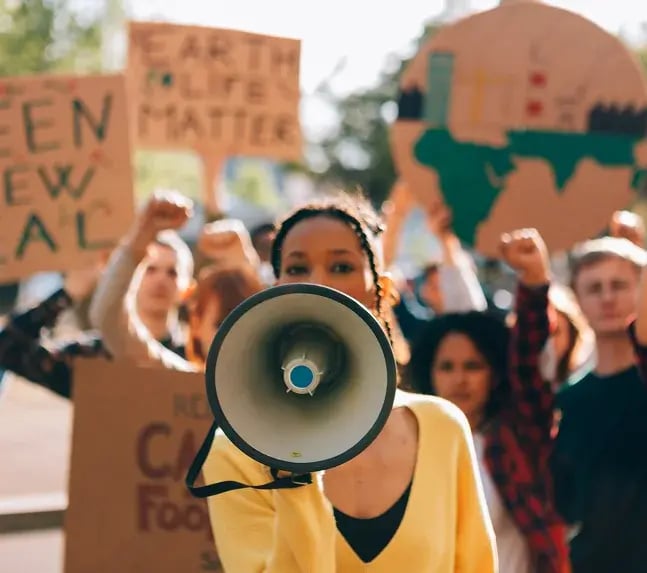
As a lively democracy, Peru sometimes experiences protests and political tension, often centered in Lima or regional capitals. These usually relate to social issues, resource projects, or political reforms.
For travelers, the key is to:
- Stay informed through your hotel, guide, or local news
- Avoid large demonstrations and government buildings during active protests
- Allow extra time for airport transfers or long overland journeys if disruptions are expected
Most of the time, tourist activities proceed normally, with operators adjusting routes or schedules if needed
Local Governance
Use This Government Guide With the Rest of the Site
This page gives you the “big picture” of how Peru is governed and how that touches tourism, heritage, transport, and safety. Combined with more practical resources, it helps you travel with context and confidence.
Next steps:
- Stay informed through your hotel, guide, or local news
- Decide where to go across coast, Andes, and Amazon:
- Figure out logistics, routes, and experiences:
- Build your own government-aware, culture-rich itinerary
With this structure in mind, you’re ready to experience Peru not just as a collection of sights, but as a living country with institutions, communities, and stories shaping every destination you visit.

Contact Us
Contact Information
Find Our Contact Details for Quick Assistance and Personalized Travel Support.
Location
Lima, Peru
Call Us
Get In Touch
* Tell Us About Your Travel Plans & How We Can Help!
Frequently Asked Questions
What is the overall weather like in Peru throughout the year?
Peru has two main seasons: dry (May–Oct) with sunny days, and wet (Nov–Apr) with rain in the highlands. Weather varies across Peru climate zones: the coast stays dry, the Andes get seasonal rain, and the Amazon is humid year-round.
When is the rainy season in Peru and which regions does it affect most?
The Peru rainy season is Nov–Apr, mainly in the Andes and Amazon. January–Feb are wettest in mountains, while the coast remains hot and dry.
What is the best time of year to visit Peru for ideal weather conditions?
May–Oct is best, offering clear skies and sunny weather. June–Sep is peak season with the most reliable Peru travel weather.
How does Peru's weather vary by month across different regions?
Peru weather by month shows coast hot Dec–Apr, cool May–Oct; highlands dry May–Oct, rainy Nov–Apr; Amazon warm and humid year-round with peak rain Dec–Mar.The Peru rainy season is Nov–Apr, mainly in the Andes and Amazon. January–Feb are wettest in mountains, while the coast remains hot and dry.
What are the three main climate zones in Peru?
Peru climate zones: coastal desert (dry, moderate), Andean highlands (temperature swings, wet/dry), Amazon rainforest (hot, humid, heavy rain).
How much rainfall can I expect in major Peruvian cities?
Peru average rainfall varies: Lima 197 mm/year, Cusco 1,341 mm/year, Amazon regions 2,000–3,000 mm. Rain is heaviest in highlands during Jan–Feb.
What is the weather like along Peru's coast versus the mountains?
Coastal Peru travel weather is mild with little rain and winter fog (garúa). Mountains have cold nights, warm days, and wet/dry seasons, with altitude causing big temperature swings.
Can I check an accurate Peru weather forecast before my trip?
Yes, Peru weather forecast services are reliable for broad trends. Microclimates in the Andes mean conditions can change quickly.
What should I know about Peru's different seasons for travel planning?
Dry season (May–Oct) is ideal for highlands and trekking. Wet season (Nov–Apr) suits coastal beaches; shoulder months have fewer crowds and balanced conditions.
How does altitude affect weather conditions in Peru?
Altitude affects Peru climate strongly: temperatures drop ~6°C per 1,000 m. Below 1,000m averages 25°C, above 4,500m often below freezing.