Peru’s Wildlife
Wildlife in Peru
From Andes to Amazon
Peru is one of the world’s most biodiverse countries, home to jaguars, condors, pink river dolphins, llamas, sea lions, and thousands of other species across coast, Andes, and rainforest. Use this guide to understand where to go, what you might see, and how to explore responsibly.
Plan a Custom Culture Focused Trip

Explore Vacation Options
Megadiversity
Why Peru Is a Wildlife Powerhouse
Peru is classified as a “megadiverse” country thanks to its huge range of ecosystems, from the Pacific coast and coastal deserts to the Andean highlands and the Amazon rainforest. It hosts more than 1,800 bird species, around 500 mammal species, and hundreds of reptiles and amphibians, making it a dream destination for nature lovers, photographers, and adventure travelers.
Key Climate Zone Characteristics:
This diversity means that in a single trip you might watch condors soaring over deep canyons, spot monkeys in the rainforest canopy, and see sea lions and seabirds along the coast.
Need a broader overview of Peru before you dive into wildlife?
Main Wildlife Regions
Coast, Andes, Amazon
Several public responsibilities managed by government have a direct impact on your comfort and options as a traveler



Pacific Coast & Marine Life
Peruvian culture is built on deep Indigenous foundations Inca and pre-Inca layered with Spanish colonial influence and later migrations from Africa, China, and Japan. The result is a dynamic mix you’ll notice in architecture, religion, music, and daily customs.

Andes & High Altitude Fauna
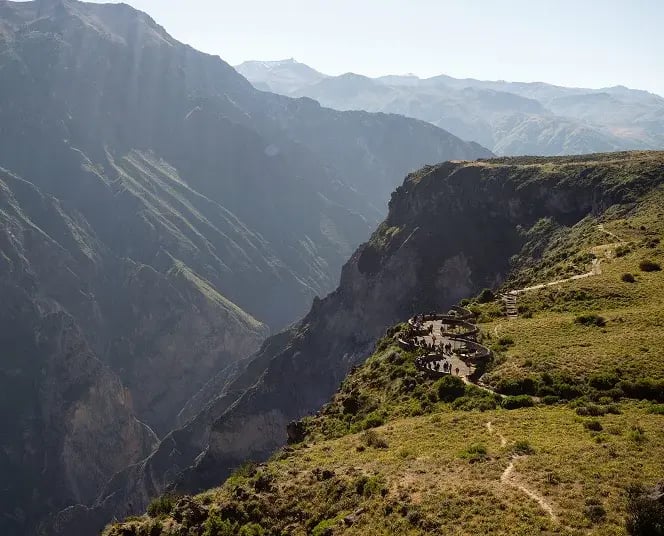
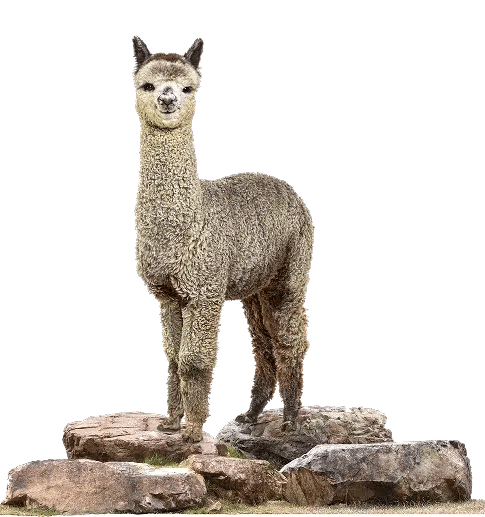
In the Andes, you’ll find iconic species like the vicuña (Peru’s national animal), alpacas, llamas, vizcachas, and the majestic Andean condor. Spectacled bears—the only bear species in South America also live in high-altitude forests, although they are elusive. Popular viewing areas include Colca Canyon, highland reserves, and cloud forests near Cusco.

Amazon Rainforest
The Peruvian Amazon is one of the richest wildlife areas on Earth, home to jaguars, tapirs, giant river otters, capybaras, monkeys, macaws, and countless reptiles, amphibians, and insects. Regions like Madre de Dios and Loreto offer lodges, river cruises, and research centers designed around wildlife viewing and conservation.
Want a deep dive into Peru’s jungle experiences?
Wildlife Icons
Iconic Animals You Might See
While no species is guaranteed in the wild, these are some of Peru’s most emblematic animals and where you’re most likely to spot them:
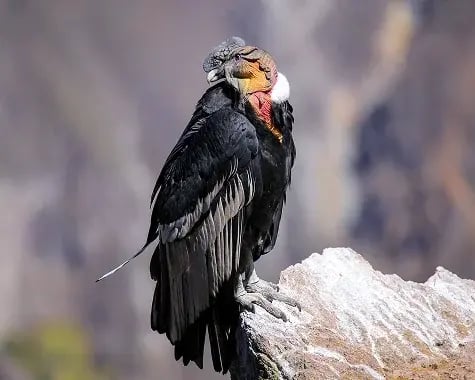
Andean Condor
Vast wingspan, often seen soaring over Colca Canyon and some highland valleys.
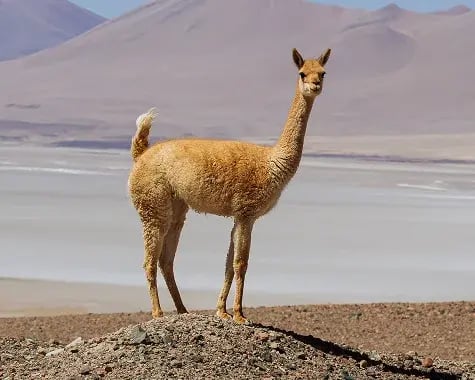
Vicuña & Alpaca
Graceful camelids in high Andean plains; vicuña wool was once reserved for Inca royalty.
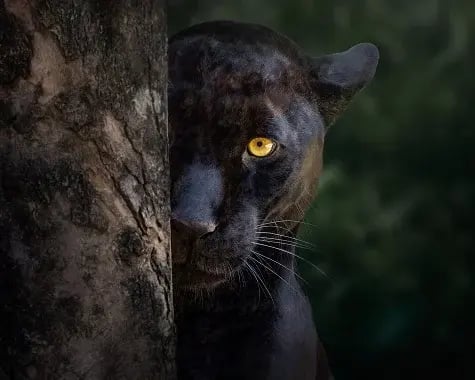
Jaguar
Apex predator of the Amazon, best (but still rare) chances near deep forest lodges and reserves.

Pink River Dolphin
Found in Amazonian rivers and oxbow lakes in northern and southeastern Peru.
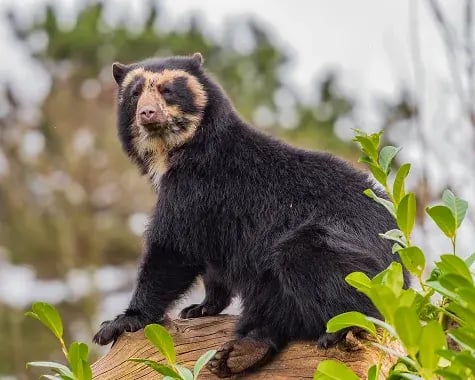
Spectacled Bear
Lives in cloud forests and highland areas like Huascarán National Park.
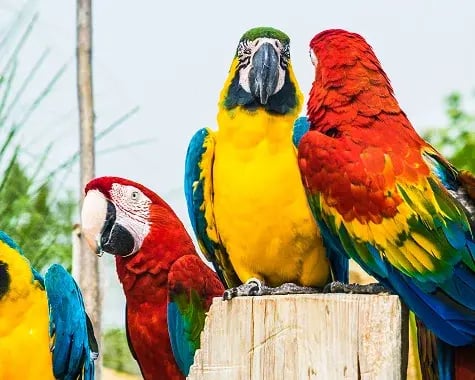
Macaws & Parrots
Spectacular clay licks (colpas) in places like Tambopata attract hundreds of colorful birds.
Many of these species also carry cultural meaning for Indigenous communities. In Andean cosmology, for example, the condor, puma, and serpent represent different spiritual realms.
Ready to experience Peru's extraordinary history of Peru?
From ancient Peru civilizations to Inca Empire history and colonial splendor, we create journeys bringing 5,000 years to life.
Peruvian Food
Wildlife & Local Culture
Wildlife in Peru isn’t just about biology; it’s deeply tied to people and culture. Andean communities rely on llamas and alpacas for transport and wool, and revere animals like the condor and puma in stories, festivals, and traditional art. In the Amazon, Indigenous groups have detailed knowledge of animal behavior, medicinal plants, and the spiritual significance of forest species.
Many community-based tourism projects invite visitors to learn about this relationship, combining wildlife watching with cultural encounters in a respectful, low-impact way.
Want to weave wildlife and culture into one itinerary?

Peruvian Food
Peru’s National Parks & Biodiversity Hotspots
Peru protects large parts of its territory through national parks, reserves, and sanctuaries. Some standout wildlife destinations include:
- Manu National Park :
One of the most biodiverse places on Earth, with over 1,000 bird species and a huge variety of mammals, reptiles, and plants. - Tambopata National Reserve (Madre de Dios) : Famous for clay licks, macaws, monkeys, caimans, and chances (though slim) to spot jaguars.
- Pacaya Samiria National Reserve (Loreto) :
Vast flooded forest rich in river dolphins, caimans, birds, and fish. - Huascarán National Park :
High-Andes protected area known for spectacled bears, Andean deer, and high-altitude birdlife.
Choosing the right region depends on your time, interests, and comfort level with remote travel.

Etiquette & Money
Responsible Wildlife Travel
Peru’s ecosystems are rich but fragile. Responsible wildlife tourism helps protect habitats and support local communities. Keep these principles in mind:
- Choose lodges and operators that follow conservation and community guidelines
- Keep a respectful distance from animals; never chase, feed, or touch wildlife
- Stick to marked trails and follow your guide’s instructions
- Avoid buying souvenirs made from endangered species or illegally sourced materials
Many reputable tours reinvest in conservation, research, or community development, making your visit part of a larger protection effort.
For safety and practical guidance especially around jungle travel and remote areas

Best Time
When to Go for Wildlife
Several public responsibilities managed by government have a direct impact on your comfort and options as a traveler
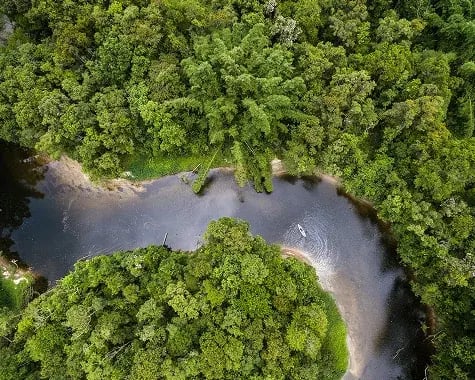
Amazon
Best overall wildlife viewing is usually in the drier months (roughly May–October) when trails are more accessible and some animals are easier to observe along rivers and clay licks.
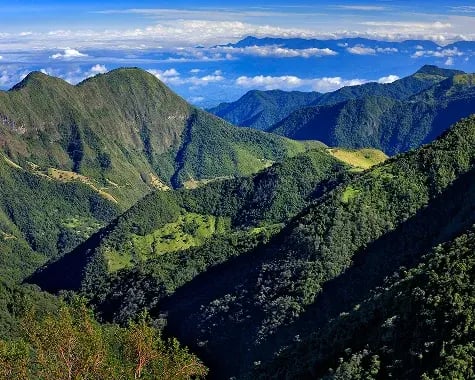
Andes
Highland wildlife can be seen year-round, but clearer views and hiking conditions are best in the dry season (May–September).

Coast & Marine Life
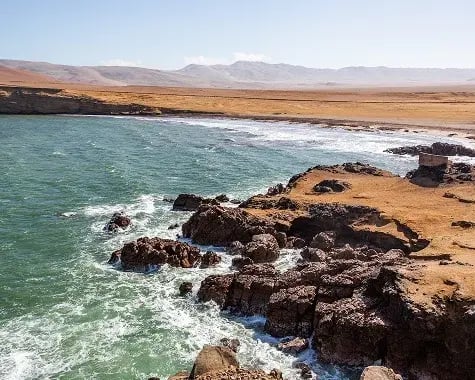
Seasons vary; for example, humpback whales often appear off the northern coast during specific months, while sea lions and seabirds are present most of the year in key colonies.
Linking your wildlife priorities to the right season will greatly improve your experience.
Next Steps
Turn Wildlife Dreams Into an Itinerary
Peru’s wildlife is best experienced with thoughtful planning and the right mix of regions:
- Pair Amazon lodges with Andes trekking or Machu Picchu.
- Add a marine excursion on the coast for sea lions and seabirds.
- Include community based tourism to understand local knowledge and culture.
For big-picture trip planning and essential info (weather, culture, money, logistics)
To fine-tune your plans with safety, gear, and on-the-ground advice:
And when you’re ready to combine condors, jaguars, dolphins, and everything in between into one seamless journey
Create Your Wildlife & Nature Custom Package
Peru’s wild side is one of its greatest gifts explore it with respect, curiosity, and a sense of wonder.

Contact Us
Contact Information
Find Our Contact Details for Quick Assistance and Personalized Travel Support.
Location
Lima, Peru
Call Us
Get In Touch
* Tell Us About Your Travel Plans & How We Can Help!
Frequently Asked Questions
What makes Peru such a special wildlife destination?
Peru is considered one of the world’s most biodiverse countries, with habitats ranging from Pacific coastline and coastal desert to Andean highlands and Amazon rainforest. This variety of ecosystems allows you to see an incredible range of species—condors, llamas, jaguars, macaws, river dolphins, and more—often within a single trip.
Where is the best place in Peru to see wildlife?
For dense wildlife and rainforest species, the Amazon regions of Madre de Dios (Tambopata, Manu) and Loreto (Pacaya Samiria) are top choices. If you’re interested in high-altitude animals like condors, vicuñas, and spectacled bears, the Andes around Cusco, Colca Canyon, and Huascarán National Park are ideal, while marine life is best seen along the Pacific coast and Paracas area.
What iconic animals can I realistically expect to see?
Common sightings on a well-planned itinerary include monkeys, caimans, macaws, capybaras, river dolphins, sea lions, llamas, alpacas, vicuñas, and a wide variety of birds. Jaguars, spectacled bears, and pumas are present but much harder to see in the wild, so think of them as a rare bonus rather than a guarantee.
When is the best time of year for wildlife viewing in Peru?
In the Amazon, wildlife viewing is generally best in the drier months (roughly May to October), when trails are more accessible and animals often gather along rivers and clay licks. In the Andes, the dry season (May to September) offers clearer skies for spotting birds and highland mammals. Marine wildlife can be seen year-round, with some seasonal highlights like whale migrations along parts of the northern coast.
Do I need a guide to see wildlife, or can I explore on my own?
A qualified local guide is strongly recommended for wildlife trips, especially in the Amazon and remote highland areas. Guides know where animals are most active, how to read tracks and sounds, and how to keep you safe while minimizing disturbance to wildlife. Many national parks and lodges require guided excursions on designated trails.
Is wildlife travel in Peru safe?
Yes, wildlife travel in Peru is generally safe when you go with reputable operators, follow guide instructions, and respect park rules. Most risks (insects, minor injuries, boat or trail conditions) can be managed with proper clothing, vaccinations where recommended, and basic precautions. It’s wise to review general safety advice before your trip and ensure you have appropriate travel insurance.
How can I make sure my wildlife trip is responsible and eco-friendly?
Choose lodges and tour companies that support conservation and local communities, avoid tours that allow touching or feeding wild animals, keep a respectful distance when observing wildlife, and stay on marked trails. Bring reusable bottles and minimize plastic use, and never buy souvenirs made from endangered species or illegally sourced wildlife products.
Can I combine wildlife experiences with culture and classic sights like Machu Picchu?
Absolutely. Many travelers pair a few days in the Amazon with time in Cusco, the Sacred Valley, and Machu Picchu, and sometimes add a coastal stop like Paracas for marine life. Custom itineraries can blend wildlife viewing, archaeological sites, local markets, and cultural experiences, giving you a well-rounded picture of Peru’s nature and people in one trip.