
The Ultimate Salkantay Trek
Introduction to Sacred Valley
Discover Peru’s most spectacular alternative to inca trail with the renowned Salkantay trek to Machu Picchu. This 5-day adventure takes you through diverse landscapes, from snow-capped peaks to lush cloud forests, culminating in the awe-inspiring wonder of Machu Picchu. As the second most popular trek in Peru, the Salkantay trail offers an unforgettable journey through some of the most breathtaking scenery in the Andes.

Explore Vacation Options


Salkantay Trek
Why Choose the Salkantay Trek?
The Salkantay mountain trek stands out as the premier alternative to inca trail for adventurous travelers seeking an authentic Peruvian experience. Unlike the heavily regulated Inca Trail, this remarkable journey requires no permits and accommodates only an average of 50 hikers daily, ensuring an intimate connection with nature.
Scenic Diversity
Unparalleled Scenic Diversity
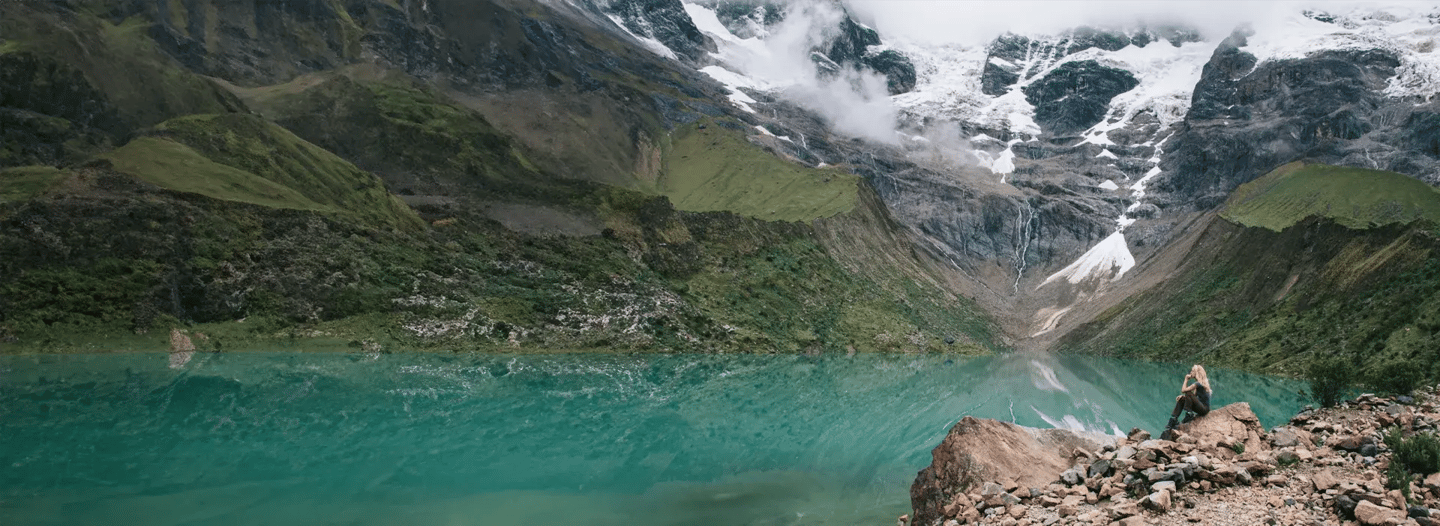
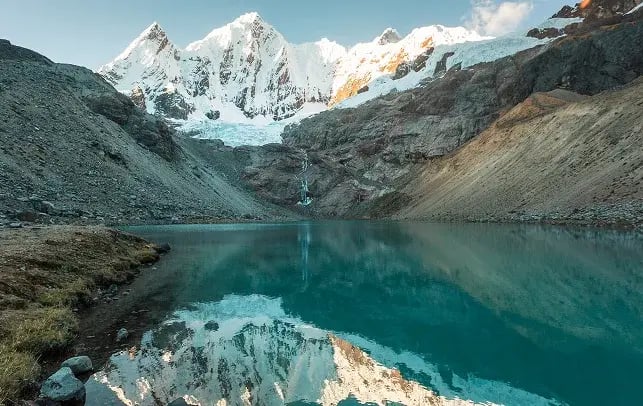
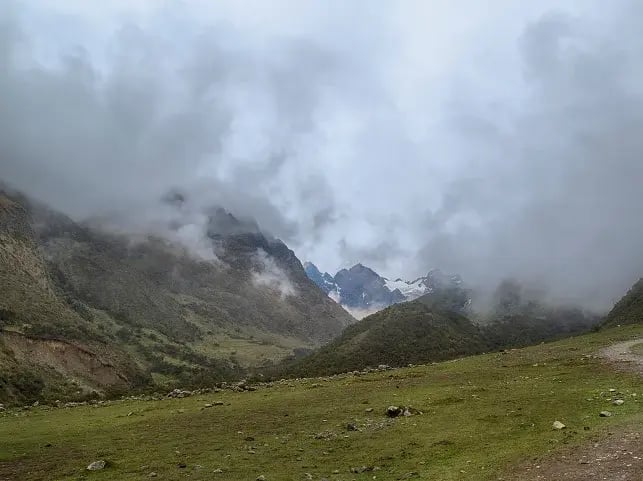
The Salkantay trek 5 days showcases Peru’s incredible biodiversity across multiple ecosystems. You’ll traverse high-altitude mountain passes, witness glacial lakes like the stunning Humantay Lake, descend through mystical cloud forests, and experience the transition into subtropical jungle environments – all while approaching the sacred citadel of Machu Picchu.
Sacred Salkantay
The Sacred Salkantay Mountain
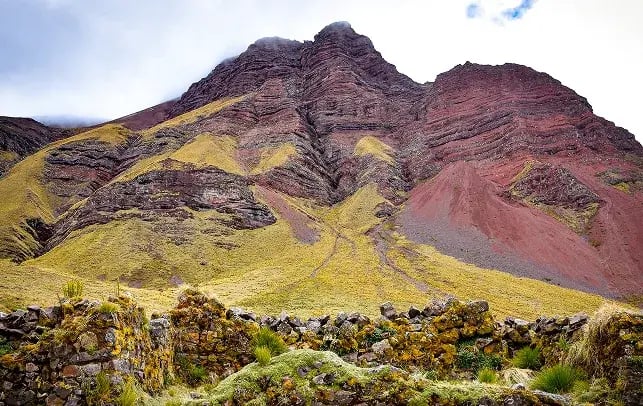
Named after the majestic Salkantay Mountain (6,271m/20,574ft), which translates to “Savage Mountain” in Quechua, this trek holds deep spiritual significance for local communities. The mountain is revered as an Apu (mountain spirit) and serves as a protective deity for Andean inhabitants
Complete 5 Day Salkantay Trek Itinerary
Day 1: Cusco - Soraypampa - Humantay Lake
- Distance :
12 km (7.5 miles) - Maximum Altitude :
4,200m (13,780ft) - Hiking Time :
5-6 hours - Difficulty :
Moderate
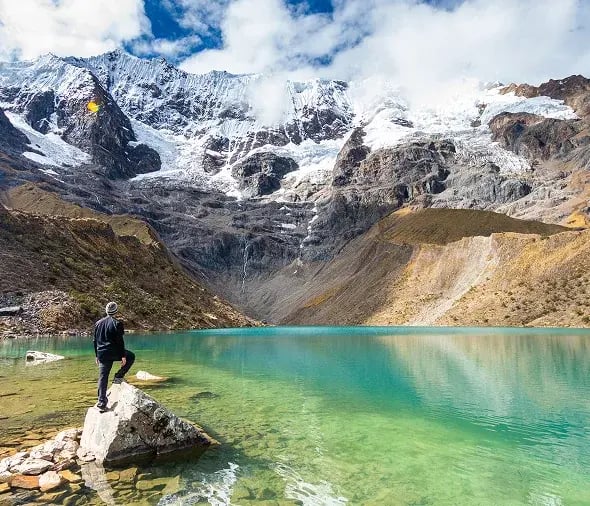
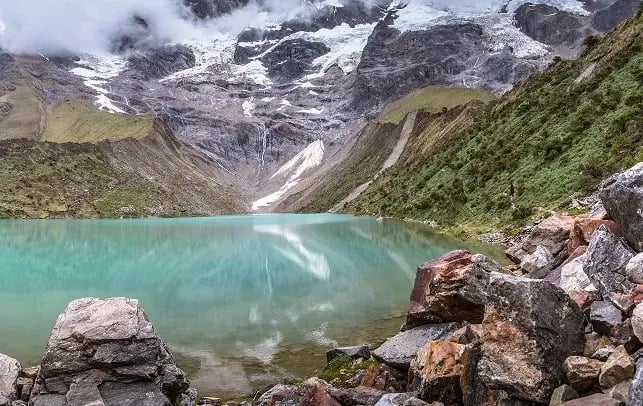
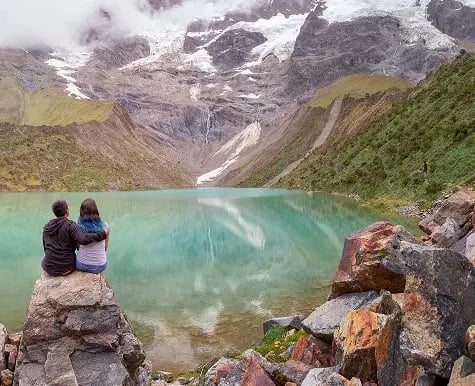
Begin your adventure with an early departure from Cusco, traveling to Soraypampa base camp. The day’s highlight is the trek to the mesmerizing Humantay lake trek, where turquoise waters reflect snow-capped peaks in a truly magical setting.
Day 2: Salkantay Pass - Collpapampa
- Distance :
22 km (14 miles) - Maximum Altitude :
4,630m (15,190ft) - Hiking Time :
8-10 hours - Difficulty :
Challenging
This is the most demanding day, conquering the Salkantay pass trek at 4,630m elevation. The challenging ascent rewards you with panoramic views of glaciated peaks before descending into the cloud forest ecosystem.
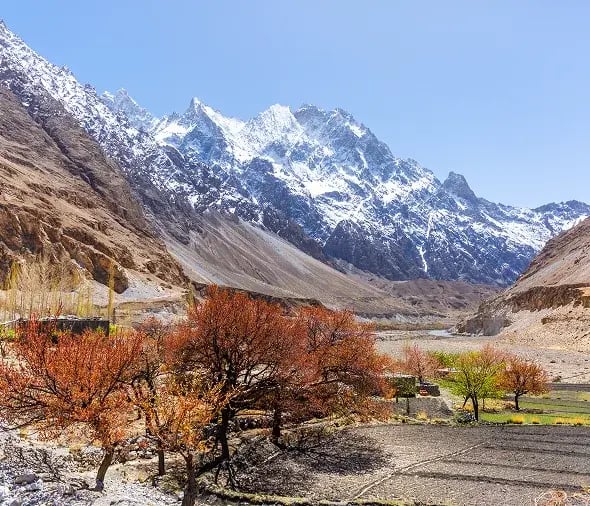
Day 3: Collpapampa - Santa Teresa
- Distance :
16 km (10 miles) - Maximum Altitude :
2,900m (9,500ft) - Hiking Time :
6-7 hours - Difficulty :
Moderate to Easy
Descend through increasingly tropical vegetation, passing coffee plantations and traditional villages. Optional visit to rejuvenating hot springs at Santa Teresa.
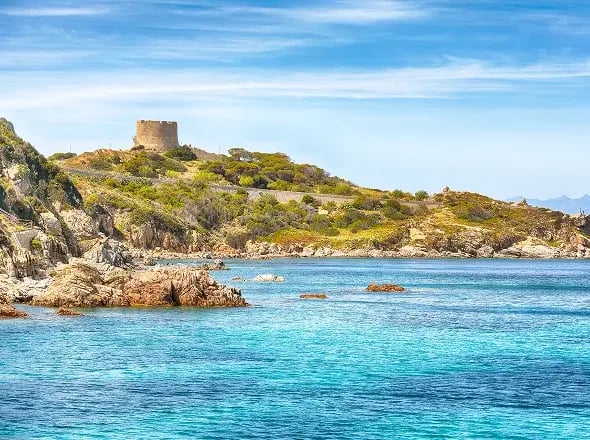
Day 4: Santa Teresa - Aguas Calientes
- Distance :
25 km (15.5 miles) - Maximum Altitude :
2,000m (6,560ft) - Hiking Time :
7-8 hours - Difficulty :
Moderate
Visit the archaeological site of Llactapata for your first spectacular view of Machu Picchu from across the valley. Continue to Aguas Calientes, the gateway town to Machu Picchu.
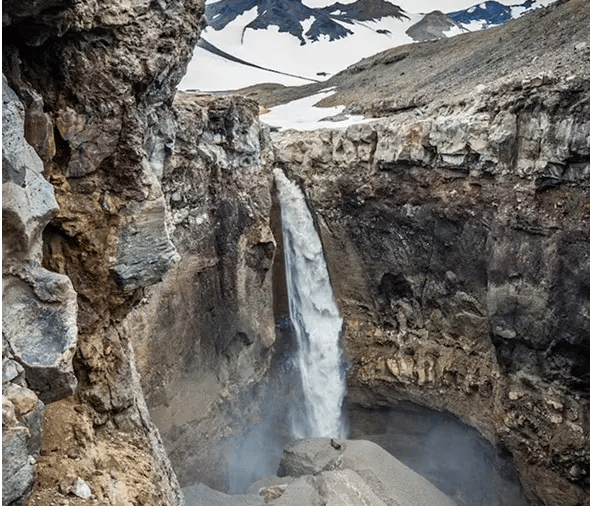
Day 5: Machu Picchu Exploration
The culmination of your journey – explore the “Lost City of the Incas” with a professional guide, learning about Incan history, architecture, and the site’s astronomical significance.
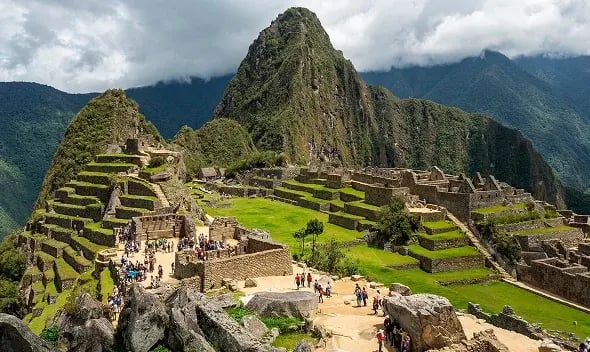


Every Trip With Us Creates A Positive Impact
Join us on a journey where every trip you take contributes to a positive change, supporting communities and preserving Peru’s wonders.
Trek Preparation
Trek Difficulty and Preparation
The Salkantay trek is classified as moderate to challenging, requiring good physical fitness and proper acclimatization. The trek covers approximately 74 kilometers (46 miles) over varied terrain, with significant elevation changes from 1,800m to 4,630m.
Preparation Tips
Essential Preparation Tips
Altitude Acclimatization
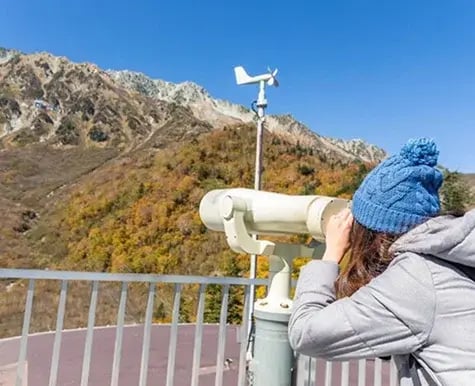
Arrive in Cusco at least 2-3 days before starting your trek to properly acclimatize to the 3,400m elevation.
Physical Conditioning
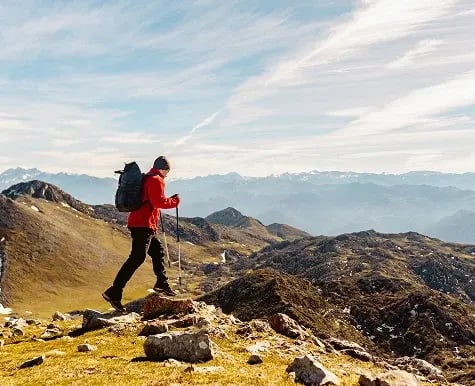
Prepare with cardiovascular exercise, hiking practice, and leg strengthening exercises for 6-8 weeks before your trip.
Mental Preparation
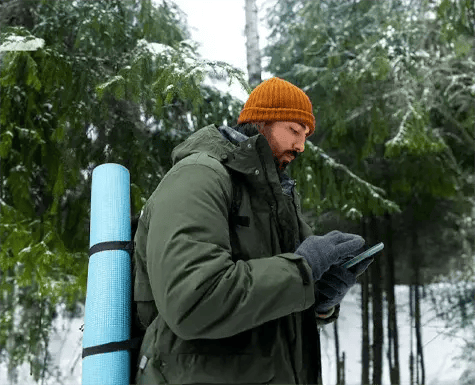
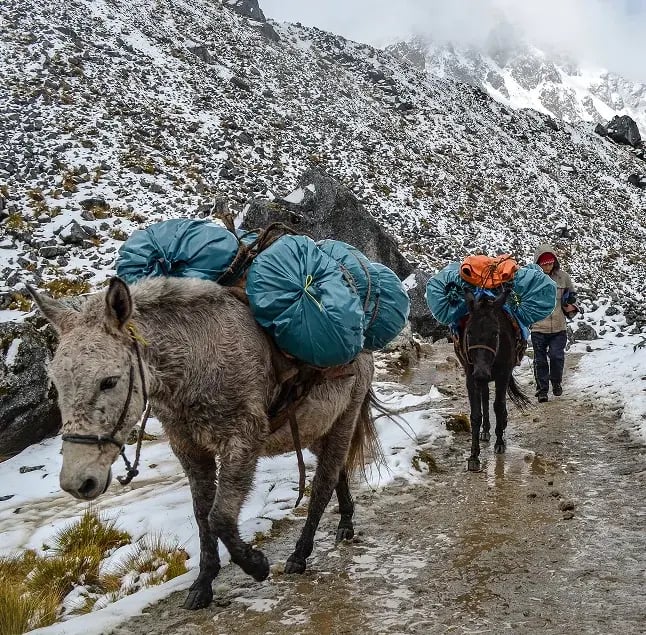
Expect challenging weather conditions, including potential snow, rain, and temperature variations from freezing to tropical
Preparation Tips
What Makes Salkantay Special?
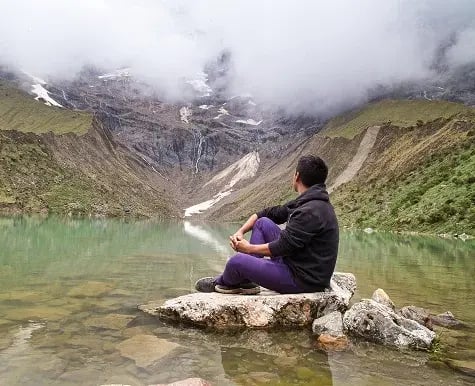
Exclusive Access to Humantay Lake
The humantay lake trek portion offers one of Peru’s most photographed natural wonders. This glacial lake’s distinctive turquoise color results from mineral content, creating an otherworldly landscape perfect for photography and spiritual reflection.
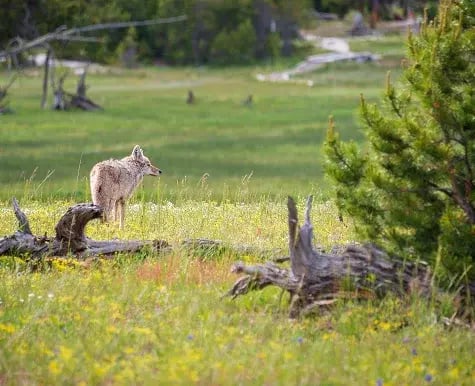
Diverse Wildlife Encounters
The peru alternative treks like Salkantay provide opportunities to spot spectacled bears, vicuñas, chinchillas, and over 200 bird species, including the majestic Andean condor.
Cultural Immersion
Experience authentic Andean culture through interactions with local communities, coffee plantation visits, and traditional Pachamama (Mother Earth) ceremonies.

Archaeological Discoveries
Visit the lesser-known Llactapata ruins, offering unique perspectives of Machu Picchu that most tourists never experience.
Best Time to Trek Salkantay
The optimal trekking season runs from April to September, during Peru’s dry season. July and August offer the clearest weather but represent peak season. The wet season (October-March) brings daily rainfall and potential trail closures

Packing Essentials
Packing Essentials for Salkantay Trek
Clothing Requirements
- Waterproof rain jacket and pants
- Warm hat, sun hat, and gloves
- Insulated down jacket for high-altitude sections
- Moisture wicking base layers.
- Hiking boots with ankle support.
- Multiple sock pairs and underwear
Essential Gear
- 30-40L daypack for personal items
- Sleeping bag rated to -10°C (14°F)
- Trekking poles for stability on steep terrain
- Headlamp with extra batteries
- Water bottles or hydration system
- High SPF sunscreen and sunglasses
Cost and Booking Information
Salkantay trek prices vary significantly based on service level, ranging from budget options ($170-250) to luxury experiences ($600-800). Mid-range tours ($400-500) typically include:
- Professional bilingual guides.
- All meals during the trek.
- Camping equipment and accommodation
- Transportation to/from trailheads.
- Machu Picchu entrance tickets.
- Train return from Aguas Calientes
What's Not Included
- Personal hiking gear.
- Sleeping bags (rental available $20-25)
- Tips for guides and porters.
- Optional activities (hot springs, Huayna Picchu climb)
Trek Conditions
Monthly Conditions:
- April - May :
Excellent weather, fewer crowds, wildflower blooms - June - August :
Peak season, clear skies, cold nights - September :
Good weather, moderate temperatures - October - March :
Wet season, challenging conditions
Adventure Awaits
Book Your Salkantay Adventure Today
The Salkantay trek to Machu Picchu represents one of the world’s most rewarding trekking experiences, combining physical challenge with spiritual discovery. This alternative to inca trail offers intimate access to Peru’s natural wonders while avoiding the crowds and permit restrictions of more popular routes.
Whether you’re drawn by the humantay lake trek portion, seeking machu picchu hiking alternatives, or simply yearning for an authentic Andean adventure, the Salkantay Trek delivers unforgettable memories and life-changing experiences.
Start planning your journey to one of the world’s most spectacular trekking destinations, where ancient Incan paths lead through pristine wilderness to the doorstep of Machu Picchu. The Salkantay mountain trek awaits your discovery – an adventure that will challenge your limits and reward your spirit with Peru’s most magnificent landscapes
Contact Us
Contact Information
Find Our Contact Details for Quick Assistance and Personalized Travel Support.
Location
Lima, Peru
Call Us
Get In Touch
* Tell Us About Your Travel Plans & How We Can Help!
Frequently Asked Questions
How difficult is the Salkantay Trek compared to the Inca Trail?
The Salkantay trek is generally considered more physically demanding than the Inca Trail, covering 74km versus 43km and reaching higher altitudes (4,630m vs 4,215m). However, it offers more diverse scenery and fewer crowds.
Do I need permits for the Salkantay Trek?
No permits are required for the Salkantay trail, unlike the Inca Trail. However, you still need Machu Picchu entrance tickets, which should be booked in advance during peak season.
Can I do the Salkantay Trek independently?
While possible, most trekkers choose guided tours for safety, navigation, and logistical support. The remote nature of the trail and altitude challenges make professional guidance highly recommended.
What's the best way to prevent altitude sickness?
Arrive in Cusco 2-3 days early, stay hydrated, avoid alcohol, eat light meals, and consider coca tea or altitude sickness medication. Ascend gradually and listen to your body.
Is the Salkantay Trek suitable for beginners?
While challenging, the trek is accessible to beginners with proper preparation and fitness. Regular hiking experience and cardiovascular conditioning are highly recommended.
What wildlife can I expect to see?
Possible sightings include spectacled bears, vicuñas, chinchillas, vizcachas, and diverse bird species including condors, hummingbirds, and cock-of-the-rock.
How cold does it get on the trek?
Temperatures vary dramatically from freezing at high altitudes (especially at night) to warm and humid in lower elevations. Expect temperatures from -5°C to 25°C (23°F to 77°F).
Can I charge electronic devices during the trek?
Some campsites offer charging facilities, but bring portable power banks as backup. Solar chargers are recommended for longer expeditions.
What about food and water on the trek?
Tour operators provide all meals, but bring water purification tablets or a filter system. Many tours include boiled water at meals and rest stops.
Is travel insurance necessary?
Yes, comprehensive travel insurance including high-altitude trekking and emergency evacuation coverage is essential. Many policies require specific adventure sports coverage for activities above 3,000m.