People & Culture of Peru
Peruvian culture and people
Heart of Your Journey
Meet the people, traditions, and everyday life that make Peru unforgettable. This page is your friendly guide to Peruvian culture, from Indigenous roots to modern city life.
Plan a Custom Culture Focused Trip

Explore Vacation Options
Peruvians
Who Are the People of Peru?
Peru is a proudly multicultural country with a rich blend of Indigenous, mestizo, European, African, and Asian heritage. Most Peruvians live in cities like Lima, Arequipa, and Cusco, while many Indigenous communities maintain traditional lifestyles in the Andes and Amazon.
Key Climate Zone Characteristics:
Spanish is the dominant language, but Quechua and Aymara remain vital in the highlands, and dozens of Indigenous languages are spoken in the Amazon. This diversity shapes everything you experience accents, clothing, festivals, food, and even local etiquette.

Cultural Roots
Indigenous, Spanish, and Beyond
Peruvian culture is built on deep Indigenous foundations Inca and pre-Inca layered with Spanish colonial influence and later migrations from Africa, China, and Japan. The result is a dynamic mix you’ll notice in architecture, religion, music, and daily customs.
In the Andes, many communities still practice traditional farming, weaving, and spiritual rituals honoring Pachamama (Mother Earth). On the coast and in cities, you’ll see more Hispanic and global influences, but Indigenous elements are always present in language, food, and family traditions.
Curious how history shaped this mix?

Daily Life
Everyday Life & Social Customs
Peru is generally warm, polite, and community-oriented. Greetings often include a handshake or a single cheek kiss among friends and family, especially in urban areas. It’s common to say simple phrases like “buenos días,” “buenas tardes,” or “buenas noches” when entering shops or meeting people.
Family is central in Peruvian society, and many households include several generations. In rural regions, work and celebrations follow the agricultural calendar planting and harvest seasons are times of intense communal activity, often accompanied by local rituals and festivities.

Ready to experience Peru's extraordinary history of Peru?
From ancient Peru civilizations to Inca Empire history and colonial splendor, we create journeys bringing 5,000 years to life.
Cultural Roots
Festivals, Traditions, and Rituals
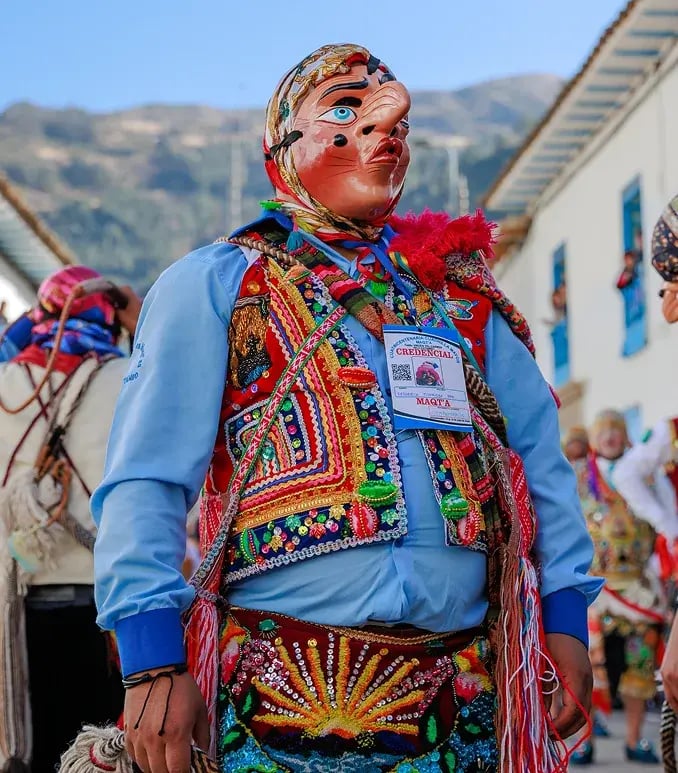
Peru’s calendar is filled with colorful festivals that blend Catholic and Indigenous traditions. Major celebrations like Inti Raymi in Cusco, Corpus Christi, and regional patron-saint festivals fill streets with parades, music, dances, and elaborate costumes.
In the Andes, ceremonies such as the pago a la tierra (payment to the earth) show deep respect for nature, with offerings of coca leaves, food, and chicha to Pachamama. In the Amazon, Indigenous communities have their own rituals tied to the forest, rivers, and ancestral spirits. Travelers who join culturally respectful tours can witness these practices in meaningful, authentic ways.
Looking for culture-heavy experiences and activities?

Traveler Rights
Laws, Safety, and Traveler Rights
Peru’s legal framework protects heritage, nature, and consumers, which is directly relevant to your trip.
Spanish
Spoken by the majority; official nationwide
Quechua
Widely spoken in the Andes, especially around Cusco, Sacred Valley, and Ayacucho
Aymara
Common around Lake Titicaca and parts of the high plateau
Amazonian Languages
Dozens of Indigenous languages in rainforest communities.
Learning a few basic phrases in Spanish or Quechua like “thank you” or “good morning” creates instant connection and respect.
Peruvian Food
Culture on a Plate
Peruvian cuisine is one of the most celebrated in the world, and it reflects the country’s cultural blend. Coastal dishes like ceviche highlight fresh Pacific seafood, while Andean recipes rely on potatoes, corn, quinoa, and alpaca. Chinese Peruvian (chifa) and Japanese Peruvian (nikkei) cuisines showcase Asia’s influence on Peru’s food scene.
In cities such as Lima, Cusco, and Arequipa, you’ll find everything from local markets and family-run eateries to internationally ranked fine-dining restaurants. Sharing a meal whether it’s a simple menú del día or a tasting menu is one of the best ways to experience Peruvian hospitality.
Stay close to great food and culture focused neighborhoods.
Find Hotels in Peru’s Top Cultural Hubs

Arts & Culture
Art, Music, and Textiles
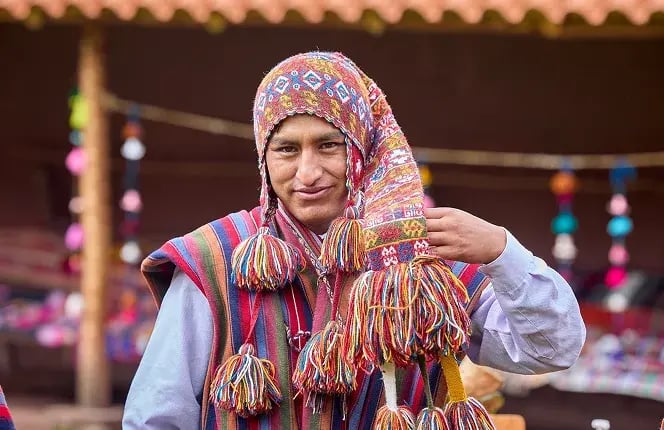
Peru’s artistic traditions are as diverse as its landscapes. Andean textiles, woven with alpaca and sheep’s wool, often feature ancestral symbols and natural dyes. In many communities, weaving is both an economic activity and a way of preserving identity.
Musically, you’ll hear everything from panpipes and charangos in the highlands to Afro-Peruvian percussion along the coast. Modern Peruvian artists blend these roots with global genres, creating a vibrant contemporary scene in cities like Lima and Cusco.

City vs. Countryside
Different Lifestyles
Life in Lima or Arequipa looks very different from life in a small Andean village or Amazon community. Urban areas are fast-paced, with modern shopping centers, nightlife, and a strong business culture. Rural regions are more community-driven, with strong ties to agriculture, livestock herding, and traditional crafts.
As a traveler, experiencing both gives you a fuller picture of Peru’s people—attending a festival in a highland town, then returning to a comfortable hotel in a bustling city, for example, balances authenticity with comfort.
Etiquette & Money
Money, Tipping, and Everyday Etiquette
Peru uses the Peruvian sol (PEN), and understanding local money habits helps you move confidently through markets, taxis, and restaurants. Small tips are appreciated in many service settings restaurants, guides, porters though practices vary by region and type of establishment.
Being polite, greeting people, asking permission before photographing individuals, and dressing modestly in rural or religious spaces are simple ways to show respect for local culture. Need a refresher on how currency works and how much to budget?
Check the Peru Currency & Money Guide

Local Governance
Experience People & Culture on Your Trip
Understanding Peru’s people and culture turns a good trip into a meaningful one. From markets and festivals to homestays and cooking classes, cultural encounters are often travelers’ favorite memories.
To turn this insight into a real itinerary:
- Combine cultural hotspots like Lima, Cusco, Sacred Valley, Lake Titicaca, and the Amazon
- Add experiences like weaving workshops, market visits, community tourism, and food tours
- Balance immersion with comfort using well-located, culturally rich hotels

Next Steps
Deepen Your Understanding
Use this People & Culture guide together with other key information pages to build a rich, well-rounded Peru trip:
- Learn how history shaped today’s culture:
- Understand money, tipping, and costs
- See top places where culture comes alive
- Explore what to do—festivals, food, markets, homestays and more
- Stay in neighborhoods that put you close to local life
With this foundation, you’re ready to connect with Peru not just as a place on the map, but as a living culture full of stories, flavors, music, and unforgettable people.
Contact Us
Contact Information
Find Our Contact Details for Quick Assistance and Personalized Travel Support.
Location
Lima, Peru
Call Us
Get In Touch
* Tell Us About Your Travel Plans & How We Can Help!
Frequently Asked Questions
What is the overall weather like in Peru throughout the year?
Peru has two main seasons: dry (May–Oct) with sunny days, and wet (Nov–Apr) with rain in the highlands. Weather varies across Peru climate zones: the coast stays dry, the Andes get seasonal rain, and the Amazon is humid year-round.
When is the rainy season in Peru and which regions does it affect most?
The Peru rainy season is Nov–Apr, mainly in the Andes and Amazon. January–Feb are wettest in mountains, while the coast remains hot and dry.
What is the best time of year to visit Peru for ideal weather conditions?
May–Oct is best, offering clear skies and sunny weather. June–Sep is peak season with the most reliable Peru travel weather.
How does Peru's weather vary by month across different regions?
Peru weather by month shows coast hot Dec–Apr, cool May–Oct; highlands dry May–Oct, rainy Nov–Apr; Amazon warm and humid year-round with peak rain Dec–Mar.The Peru rainy season is Nov–Apr, mainly in the Andes and Amazon. January–Feb are wettest in mountains, while the coast remains hot and dry.
What are the three main climate zones in Peru?
Peru climate zones: coastal desert (dry, moderate), Andean highlands (temperature swings, wet/dry), Amazon rainforest (hot, humid, heavy rain).
How much rainfall can I expect in major Peruvian cities?
Peru average rainfall varies: Lima 197 mm/year, Cusco 1,341 mm/year, Amazon regions 2,000–3,000 mm. Rain is heaviest in highlands during Jan–Feb.
What is the weather like along Peru's coast versus the mountains?
Coastal Peru travel weather is mild with little rain and winter fog (garúa). Mountains have cold nights, warm days, and wet/dry seasons, with altitude causing big temperature swings.
Can I check an accurate Peru weather forecast before my trip?
Yes, Peru weather forecast services are reliable for broad trends. Microclimates in the Andes mean conditions can change quickly.
What should I know about Peru's different seasons for travel planning?
Dry season (May–Oct) is ideal for highlands and trekking. Wet season (Nov–Apr) suits coastal beaches; shoulder months have fewer crowds and balanced conditions.
How does altitude affect weather conditions in Peru?
Altitude affects Peru climate strongly: temperatures drop ~6°C per 1,000 m. Below 1,000m averages 25°C, above 4,500m often below freezing.